Search This Blog

Showing posts with label Carbohydrates. Show all posts

3 September 2011

Results of medication studies in top medical journals may be misleading to readers

By Enrique Rivero
erivero@mednet.ucla.edu
UCLA-Harvard study highlights 3 types of confusing outcome measures
Studies about medications published in the most influential medical journals are frequently designed in a way that yields misleading or confusing results, new research suggests.
Investigators from the medical schools at UCLA and Harvard analyzed all the randomized medication trials published in the six highest-impact general medicine journals between June 1, 2008, and Sept. 30, 2010, to determine the prevalence of three types of outcome measures that make data interpretation difficult.

In addition, they reviewed each study's abstract to determine the percentage that reported results using relative rather than absolute numbers, which can also be a misleading.

The findings are published online in the Journal of General Internal Medicine.

The six journals examined by the investigators— the New England Journal of Medicine, the Journal of the American Medical AssociationThe Lancet, the Annals of Internal Medicine, the British Medical Journal and the Archives of Internal Medicine — included studies that used the following types of outcome measures, which have received increasing criticism from scientific experts:

Belly bacteria boss the brain


By Tina Hesman Saey


Friendly intestinal bacteria not only keep the gut happy, they may help keep their host happy, too, a new study in mice finds.


Mice fed broth fortified with a type of friendly intestinal bacteria called Lactobacillus rhamnosus behaved less anxiously than mice fed broth without bacteria. Those behavior changes were accompanied by differences in levels of a brain-chemical sensor and stress hormones.

The bacteria telegraph these brain-chemical and behavior-changing messages via the vagus nerve, which connects the brain stem to various internal organs, researchers report online August 29 in the Proceedings of the National Academy of Sciences.

Some studies have suggested that changing the mix of bacteria in the intestines could influence behavior (SN: 6/18/11, p. 26). The new research goes a step further to investigate how those changes come about, says Paul Patterson, a neuroimmunologist at Caltech in Pasadena, Calif. “Most people haven’t gone that far to look at what’s happening in the brain,” he says.

The research team — led by John Bienenstock of McMaster University in Hamilton, Canada, and John Cryan of the University College Cork in Ireland — looked at the mice’s brains to examine levels of the GABA receptor, a protein that senses and responds to an important brain chemical messenger called GABA. Alterations in the way GABA and other brain chemical systems work influence behavior. Mice fed bacteria-containing broth had higher levels of the receptor protein in some parts of the brain and lower levels in other parts than did mice fed sterile broth.


Another Reason to Ignore the Warnings About This Super Food

By Dr. Mercola


The idea that eggs, as a source of saturated fats, are unhealthy and promote heart disease is a complete myth. While it's true that fats from animal sources contain cholesterol, this is not necessarily something that will harm you. On the contrary, the evidence clearly shows that eggs are one of the most healthful foods you can eat, and can actually help prevent disease, including heart disease.
For example, one 2009 study discovered that the proteins in cooked eggs are converted by gastrointestinal enzymes, producing peptides that act as ACE inhibitors (common prescription medications for lowering blood pressure). This certainly flies in the face of 'conventional wisdom,' and the latest findings support the stance that eggs are in fact part of a heart-healthy diet.
Although egg yolks are relatively high in cholesterol, numerous studies have confirmed that eggs have virtually nothing to do with raising your cholesterol. For instance, research published in the International Journal of Cardiology showed that, in healthy adults, eating eggs every day did not produce a negative effect on endothelial function (an aggregate measure of cardiac risk); nor did it increase cholesterol levels.
A number of people have cholesterol levels that are too low. While eating egg yolks is a great idea for a number of reasons, it will not increase your cholesterol level. If you need to do that a fairly reliable method is to use coconut oil. Usually about 2-4 tablespoons a day are required to increase your cholesterol.

22 August 2011

Low Vitamin D Linked to Earlier First Menstruation

ScienceDaily (Aug. 12, 2011) — A study links low vitamin D in young girls with early menstruation, which is a risk factor for a host of health problems for teen girls as well as women later in life.

Researchers from the University of Michigan School of Public Health measured the blood vitamin D levels in 242 girls ages 5-12 from Bogota, Colombia, and followed them for 30 months. Girls low on vitamin D were twice as likely to start menstruation during the study than those with sufficient vitamin D, said epidemiologist Eduardo Villamor, associate professor in the U-M SPH.

18 August 2011

How to Reduce Your Risk of Cancer By 50%

I have some vital information for you that can literally save your life, save you from dying from cancer; not just from getting cancer, but from dying from it. I came across this absolutely vital information while researching my new book called, Dark Deception, info which is just too important to keep under wraps until the book's release in a year's time.

Cancer is now the number one cause of death in the country, having surpassed heart disease a few years ago.

Please check out the graph in the video that illustrates the relationship between latitude, sun exposure and death rates from cancer. Remember the vertical axis shows the number of cancer-related deaths per 100,000, while the horizontal axis indicates latitude. It clearly shows that cancer-deaths go up significantly, the farther away from the equator one lives.

Here's why. With sun exposure, UVB radiation from the sun converts cholesterol to vitamin D, one of the most potent anticancer vitamins. See the connection? Please keep your vitamin D levels in a healthy range. If you're taking oral vitamin D in cod liver oil or a supplement, you need to measure your vitamin D blood levels to avoid overdosing. Take a simple blood test to help you keep your vitamin D levels in a safe, optimal range, and go to my vitamin D testing page for more details

While in Maui this winter, I heard a number of heartbreaking stories from folks there, who told me of close relatives who either had cancer, were dying from it or had died from it. How tragic! With this new information about vitamin D in mind, I said to them, "I don't know your relative." I asked, "But did they stay in the sun? Do they have a tan?", and even though some of these people lived in Maui, it seems every one of these people did not get much sun and were pale. This was a giant clue, empirically confirming what I was learning about sun exposure.

The best and safest way to get vitamin D is from the sun. The safe way to get sun exposure is to just go out enough so that your skin turns the very lightest pink. You'll also need enough of your skin exposed to sun. Exposing only your face and hands while going from office to car is not enough for conversion into vitamin D. We must remain sensible in our approach to this issue. This means: PLEASE DON'T GET SUNBURNED!

Bear in mind unique risk factors for dark-complexioned individuals. So if you're African-American, from the Middle East or India and live in America or Europe or in a very northern latitude, you're at very high risk for developing these cancers, as high as four times the risk. Darker skin serves as a filter, causing the need for two to five times as much sunlight as someone with very pale skin.


Also be careful about using most sunblocks as they are dangerous.
If you are looking for a safe one I have researched this and recommend Active Full Spectrum Sun Block. If you can't easily find it I put it in my store for your convenience.


In light-skinned individuals, overexposure to sun can also be problematic.

Normally, skin cancer is not going to be the melanoma type, for which there are multiple causes. Follow the link below to learn more. But having sun exposure can increase the risk of other types of skin cancers, which while not as dangerous as melanoma, are easily avoided with cautious sun exposure

BOTTOM LINE: NEVER GET SUNBURNED!

11 August 2011

Really? The Claim: For Better Hydration, Drink Coconut Water

Not long ago, few athletes had heard of coconut water, but sales have skyrocketed, largely because of its reputation as a healthy and natural source of electrolytes.

Pure coconut water contains many electrolytes, like sodium, the critical one lost during sweating. But many commercial varieties have less sodium than is found in juice straight from a coconut or in traditional sports drinks. An 8.5 ounce serving of Vita Coco 100% Pure Coconut Water, for example, contains 30 milligrams of sodium and 15 grams of carbohydrates. An eight-ounce serving of Gatorade Pro 02 Perform is equal in carbs (14 grams) but has more sodium (200 milligrams).

A recent study by Consumerlab.com, an independent laboratory, found that two of the most popular varieties, Vita Coco and O.N.E. Coconut Water, contained even less sodium and magnesium than advertised. Only Zico Natural contained the amount of sodium listed on its label (160 milligrams).

Few studies have looked directly at coconut water and exercise. In one, researchers had subjects run for 90 minutes in hot temperatures and then tested the effects of plain water, a sports drink, coconut water or a sodium-enriched coconut water in the two hours after exercise. While all remained “somewhat dehydrated,” the sodium-enriched coconut water worked as well as the sports drink.

Sports drinks serve a purpose among elite athletes and those who exercise for long periods. But for those who exercise at a moderate intensity for an hour or less, water is probably the better choice.

25 July 2011

The Onion, a Natural Alternative to Artificial Preservatives

Some components of the onion have antioxidant and antimicrobial properties, making it possible to use this bulb for food preservation. This is demonstrated by researchers from the Polytechnic University of Cataluña (UPC) and the University of Barcelona (UB) in a study that has just been published in the International Journal of Food Science and Technology.

"The antioxidant and antimicrobial properties of the flavonoids of the raw onion make it a good candidate for use in food preservation," says researcher Jonathan Santas from the Department of Nutrition and Bromatology at UB and co-author of a project carried out in the Department of Agrifood Engineering and Biotechnology at UPC.

The study, that has just been published by the International Journal of Food Science and Technology, shows that the flavonoids of onion, in addition to having beneficial properties for health, increase the life of foods, and so "they are a natural alternative to artificial additives used in the food industry." Flavonoids are phenolic compounds (with the phenol group) which are synthesized by plants.

The results confirm that, especially the yellow variety, is "a good source of these types of substances, and there is a positive correlation between the presence of flavonoids and their antioxidant capacity."

"The onion can be effective for delaying lipid oxidation in emulsions of oil and water -a model system of foods like margarines and mayonnaises-, and it also inhibits the growth of microorganisms that alter foods," Santas indicates.

The scientific team analysed onions of the White varieties "Fuentes de Ebro" and "Calçot de Valls" and the yellow variety "Grano de Oro." Using them the researchers demonstrated that phenolic compounds in the onion prevent the development of bacteria such as Bacillus cereus, Staphylococcus aureus, Micrococcus luteus and Listeria monocytogenes, microorganisms typically associated with the deterioration of foods.

Previous studies indicate that flavonoids have beneficial effects for health due to their antioxidant, anti-inflammatory, cardioprotective, vasodilatory and anti-carcinogenic properties, making it of special interest in the prevention of chronic illnesses, such as cardiovascular illnesses, and some types of cancer.


A more stable component


The flavonoids of the onion are more stable than some of its other components, such as sulphur compounds. Traditionally it was indicated that these sulphuric compounds are good for the health, as they are responsible for the characteristic taste, aroma and lacrimogenic effects of the plant. These substances, which are very volatile and unstable, are released when the onion is damaged or cut.

The onion (Allium cepa) is one of the most cultivated and consumed vegetables on the planet (around 66 million tonnes in 2008, of which 1.1 million were produced in Spain, especially in Castilla-La Mancha), and one of the main ingredients of the Mediterranean diet.

22 July 2011

Eggs' Antioxidant Properties May Help Prevent Heart Disease and Cancer, Study Suggests

While eggs are well known to be an excellent source of proteins, lipids, vitamins and minerals, researchers at the University of Alberta recently discovered they also contain antioxidant properties, which helps in the prevention of cardiovascular disease and cancer.

Jianping Wu, Andreas Schieber and graduate students Chamila Nimalaratne and Daise Lopes-Lutz of the U of A Department of Agricultural Food and Nutritional Science examined egg yolks produced by hens fed typical diets of either primarily wheat or corn. They found the yolks contained two amino acids, tryptophan and tyrosine, which have high antioxidant properties.

After analyzing the properties, the researchers determined that two egg yolks in their raw state have almost twice as many antioxidant properties as an apple and about the same as half a serving (25 grams) of cranberries.

However, when the eggs were fried or boiled, antioxidant properties were reduced by about half, and a little more than half if the eggs were cooked in a microwave.

"It's a big reduction but it still leaves eggs equal to apples in their antioxidant value," said Wu.

The findings were published in the peer-reviewed journal Food Chemistry.

The discovery of these two amino acids, while important, may only signify the beginning of finding antioxidant properties in egg yolks, said Wu, an associate professor of agricultural, food and nutritional science.

"Ultimately, we're trying to map antioxidants in egg yolks so we have to look at all of the properties in the yolks that could contain antioxidants, as well as how the eggs are ingested," said Wu, adding that he and his team will examine the other type of antioxidant already known to be in eggs, carotenoids, the yellow pigment in egg yolk, as well as peptides.

In previous research, Wu found that egg proteins were converted by enzymes in the stomach and small intestines and produced peptides that act the same way as ACE inhibitors, prescriptions drugs that are used to lower high blood pressure.

That finding defied common wisdom and contradicted the public perception that eggs increased high blood pressure because of their high cholesterol content. Additional research by Wu suggests the peptides can be formulated to help prevent and treat hypertension.

Wu is convinced the peptides also have some antioxidant properties, which leads him to suggest that when he completes the next step in his research, the result will likely be that eggs have more antioxidant properties than we currently know.

How Bright Promise in Cancer Testing Fell Apart

When Juliet Jacobs found out she had lung cancer, she was terrified, but realized that her hope lay in getting the best treatment medicine could offer. So she got a second opinion, then a third. In February of 2010, she ended up at Duke University, where she entered a research study whose promise seemed stunning.

Doctors would assess her tumor cells, looking for gene patterns that would determine which drugs would best attack her particular cancer. She would not waste precious time with ineffective drugs or trial-and-error treatment. The Duke program — considered a breakthrough at the time — was the first fruit of the new genomics, a way of letting a cancer cell’s own genes reveal the cancer’s weaknesses.

But the research at Duke turned out to be wrong. Its gene-based tests proved worthless, and the research behind them was discredited. Ms. Jacobs died a few months after treatment, and her husband and other patients’ relatives have retained lawyers.

The episode is a stark illustration of serious problems in a field in which the medical community has placed great hope: using patterns from large groups of genes or other molecules to improve the detection and treatment of cancer. Companies have been formed and products have been introduced that claim to use genetics in this way, but assertions have turned out to be unfounded. While researchers agree there is great promise in this science, it has yet to yield many reliable methods for diagnosing cancer or identifying the best treatment.

Instead, as patients and their doctors try to make critical decisions about serious illnesses, they may be getting worthless information that is based on bad science. The scientific world is concerned enough that two prominent groups, the National Cancer Institute and the Institute of Medicine, have begun examining the Duke case; they hope to find new ways to evaluate claims based on emerging and complex analyses of patterns of genes and other molecules.

So far, the Food and Drug Administration “has generally not enforced” its regulation of tests created by individual labs because, until recently, such tests were relatively simple and relied heavily on the expertise of a particular doctor, said Erica Jefferson, a spokeswoman for the agency. But now, with labs offering more complex tests on a large scale, the F.D.A. is taking a new look at enforcement.

Dr. Scott Ramsey, director of cancer outcomes research at the Fred Hutchinson Cancer Center in Seattle, says there is already “a mini-gold rush” of companies trying to market tests based on the new techniques, at a time when good science has not caught up with the financial push. “That’s the scariest part of all,” Dr. Ramsey said.

Doctors say the heart of the problem is the intricacy of the analyses in this emerging field and the difficulty in finding errors. Even well-respected scientists often “oversee a machine they do not understand and cannot supervise directly” because each segment of the research requires different areas of expertise, said Dr. Lajos Pusztai, a breast cancer researcher at M. D. Anderson Cancer Center at the University of Texas. As a senior scientist, he added, “It’s true for me, too.”

The Duke case came right after two other claims that gave medical researchers pause. Like the Duke case, they used complex analyses to detect patterns of genes or cell proteins. But these were tests that were supposed to find ovarian cancer in patients’ blood. One, OvaSure, was developed by a Yale scientist, Dr. Gil G. Mor, licensed by the university and sold to patients before it was found to be useless.

The other, OvaCheck, was developed by a company, Correlogic, with contributions from scientists from the National Cancer Institute and the Food and Drug Administration. Major commercial labs licensed it and were about to start using it before two statisticians from M. D. Anderson discovered and publicized its faults.

The Duke saga began when a prestigious journal, Nature Medicine, published a paper on Nov. 6, 2006, by Dr. Anil Potti, a cancer researcher at Duke University Medical Center; Joseph R. Nevins, a senior scientist there; and their colleagues. They wrote about genomic tests they developed that looked at the molecular traits of a cancerous tumor and figured out which chemotherapy would work best.

Other groups of cancer researchers had been trying to do the same thing.

“Our group was despondent to get beaten out,” said Dr. John Minna, a lung cancer researcher at the University of Texas Southwestern Medical Center. But Dr. Minna rallied; at the very least, he thought, he would make use of this incredible discovery to select drugs for lung cancer patients.

First, though, he asked two statisticians at M. D. Anderson, Keith Baggerly and Kevin Coombes, to check the work. Several other doctors approached them with the same request.

Dr. Baggerly and Dr. Coombes found errors almost immediately. Some seemed careless — moving a row or a column over by one in a giant spreadsheet — while others seemed inexplicable. The Duke team shrugged them off as “clerical errors.”

And the Duke researchers continued to publish papers on their genomic signatures in prestigious journals. Meanwhile, they started three trials using the work to decide which drugs to give patients.

Dr. Baggerly and Dr. Coombes tried to sound an alarm. They got the attention of the National Cancer Institute, whose own investigators wanted to use the Duke system in a clinical trial but were dissuaded by the criticisms. Finally, they published their analysis in The Annals of Applied Statistics, a journal that medical scientists rarely read.

The situation finally grabbed the cancer world’s attention last July, not because of the efforts of Dr. Baggerly and Dr. Coombes, but because a trade publication, The Cancer Letter, reported that the lead researcher, Dr. Potti, had falsified parts of his résumé. He claimed, among other things, that he had been a Rhodes scholar.

“It took that to make people sit up and take notice,” said Dr. Steven Goodman, professor of oncology, pediatrics, epidemiology and biostatistics at Johns Hopkins University.

In the end, four gene signature papers were retracted. Duke shut down three trials using the results. Dr. Potti resigned from Duke. He declined to be interviewed for this article. His collaborator and mentor, Dr. Nevins, no longer directs one of Duke’s genomics centers.

The cancer world is reeling.

The Duke researchers had even set up a company — now disbanded — and planned to sell their test to determine cancer treatments. Duke cancer patients and their families, including Mrs. Jacobs’s husband, Walter Jacobs, say they feel angry and betrayed. And medical researchers see the story as a call to action. With such huge data sets and complicated analyses, researchers can no longer trust their hunches that a result does — or does not — make sense.

21 July 2011

LET THE SUN SHINE – VITAMIN D

The sunshine vitamin beams in the health news spotlight with mega health benefits.
Picture
 By Deborah Tukua, www.chiropractorswritehand.com

Sunshine on his shoulders made John Denver so happy he sang its praises.  When you read all the health benefits that keep vitamin D beaming in the health news spotlight, you should be singing its praises too.  A friend recently told me how much more energetic and happy she feels now that she’s spending time sunbathing outside this summer. My friend, Valerie also said, “I finally came to realize that the sun is natural. It’s there for our wellbeing.” Why was this fact something Valerie just recently accepted? Because like most consumers, she’s listened to the barrage of beauty and skin experts advise us for years to totally ban sun exposure. We are advised to slather on sunblock, sunglasses, hats and gear every time we step outside, as though we’re entering a toxic zone. Fortunately, there are health professionals willing to speak the truth despite current mainstream trends. 

A rise in malignant melanomas in the US heightened the scare of sun exposure in the 1970s and ‘80s.  It was assumed that skin cancers were the result of over exposure to UVB rays from the sun.   However, we have since learned that, “Skin cancer is also caused by UVA rays, which most sun blocks don’t block. Thus, by making people vitamin D deficient, they inadvertently increased people’s risk of developing all forms of skin cancer, including the deadly malignant melanoma,” states Dr. Russell Blaylock, MD, author of the Blaylock Wellness Report.

What is vitamin D and its Benefits

17 July 2011

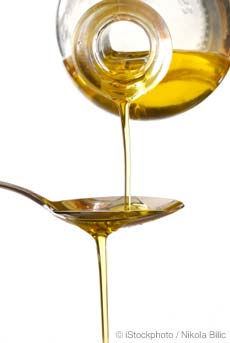
This Cooking Oil is a Powerful Virus-Destroyer and Antibiotic…

You've no doubt noticed that for about the last 60 years the majority of health care officials and the media have been telling you saturated fats are bad for your health and lead to a host of negative consequences, like elevated cholesterol, obesity, heart disease and Alzheimer's disease.
Meanwhile during this same 60 years the American levels of heart disease, obesity, elevated serum cholesterol and Alzheimer's have skyrocketed compared to our ancestors, and even compared to modern-day primitive societies using saturated fat as a dietary staple.
Did you know that multiple studies on Pacific Island populations who get 30-60% of their total caloric intact from fully saturated coconut oil have all shown nearly non-existent rates of cardiovascular disease?[1]
Clearly, a lot of confusion and contradictory evidence exists on the subject of saturated fats, even among health care professionals.
But I'm going to tell you something that public health officials and the media aren't telling you.
The fact is, all saturated fats are not created equal.
The operative word here is "created", because some saturated fats occur naturally, while other fats are artificially manipulated into a saturated state through the man-made process called hydrogenation.
Hydrogenation manipulates vegetable and seed oils by adding hydrogen atoms while heating the oil, producing a rancid, thickened oil that really only benefits processed food shelf life and corporate profits.
The medical and scientific communities are now fairly united in the opinion that hydrogenated vegetable and seed oils should be avoided.
These unsaturated fats, artificially manipulated into saturated fats, are also called trans fats, and no doubt you've heard about them lately. Some cities and states have now outlawed their use. There is no controversy anymore regarding the health dangers of these artificially saturated fats.
And guess what?
These are the same damaged trans fats that have been touted as "healthy" and "heart-friendly" for the last 60 years by the vegetable and seed oil interests!
But the truth finally came out. Trans fat was rebuked, debunked, and revealed as the true enemy to good health that it has always been, regardless of what the seed- and vegetable oil shills told the American public for the last half century.
Unfortunately, this rightful vilification of hydrogenated saturated fats has created a lot of confusion regarding naturally occurring saturated fats, including coconut oil.
If one form of saturated fat is bad for you, the argument goes, then all saturated fat must be bad.
Right?
Nothing could be further from the truth!

31 May 2011

Yes! A dose of sun CAN protect you against skin cancer

As a fair-haired Scot with freckles and pale skin I’m a classic case to be more at risk from melanoma. Getting quite badly sunburned on my nose years ago in Spain has pushed my risk up further.

To say I’ve been wary about the sun is an understatement - I specialise in treating patients with advanced melanoma, a deadly form of skin cancer.

I was also in Australia 30 years ago at the start of the Slip-Slop-Slap campaign to warn people to keep out of the sun, and for seven years I never went swimming without being covered in sun lotion and wearing a T-shirt.

But now I believe that rather than reducing the risk of skin cancer, following these sun-avoidance guidelines could actually raise it. That’s because we need sun on our skin to make vitamin D - ironically these campaigns may have made millions chronically short of it and put them at risk. t rather than reducing the risk of skin cancer, following these sun-avoidance guidelines could actually raise it.

That’s because we need sun on our skin to make vitamin D - ironically these campaigns may have made millions chronically short of it and put them at risk. The sun’s effects might even protect against melanoma (as reported in the Mail earlier this month).

19 May 2011

Coffee May Lower Risk Of Deadliest Prostate Cancer

For a long time scientists have wondered whether coffee might lower the risk of prostate cancer.

Previous studies have been relatively small and have shown mixed results.

But now we have results from a Harvard study that followed almost 50,000 male health professionals for more than two decades. A lot of them drank a lot of coffee, which seems to have helped.

More than 5,000 of them got prostate cancer — 642 of them the most lethal form. "For the men who drank the most coffee, their risk of getting this bad form of prostate cancer was about 60 percent lower compared to the men who drank almost no coffee at all," says Lorelei Mucci, an epidemiologist at the Harvard School of Public Health and an author of the study.


When they saw the results, Mucci says, she and her colleagues said, "Wow, that's a lot!"

"Among risk factors that people have studied for lethal prostate cancer, this is one of the strongest," she told Shots.

The same group reported about a 50 percent reduced risk of dying from prostate cancer among men who exercised regularly — two or three brisk walks a week was enough.

The new study shows that getting a 60 percent reduction in risk of aggressive prostate cancer requires a lot of coffee — at least six cups a day. However, men who drank three cups a day had a 30 percent lower chance of getting a lethal prostate cancer, and that's not bad.

Only about one in 10 prostate cancers diagnosed these days is deadly. Most men get a less dangerous and curable kind. The study found no link between coffee drinking and overall risk of prostate cancer. Presumably previous studies didn't uncover the lowered risk of aggressive cancers because they didn't have enough of these cases.

Mucci says coffee drinkers got the benefit without getting buzzed on caffeine. "Whether they drank regular coffee or only decaffeinated coffee, there was the same lower risk of lethal prostate cancer," she says. "It's really the coffee; it's not the caffeine."

Another good thing is that it doesn't require decades of heavy coffee drinking to get the benefit. What mattered was how much they drank in the previous eight years.

The Harvard epidemiologist says the coffee effect persisted even after the researchers allowed for the effect of exercise, obesity, smoking and other factors that either raise or lower the risk of prostate cancer.

Neil Martin, a cancer doctor at Dana-Farber Cancer Institute in Boston, was impressed with the new findings.

"Results like these are very appealing for people," he says. "It supports things that they do. ... And I guess I don't really see the downside of that. I think people should feel empowered about being able to change their risk of diseases."

And yes, in this case it is "diseases" — plural.

Earlier research suggests coffee reduces the risk of diabetes, liver disease and Parkinson's disease — possibly because of its insulin-lowering effects, its anti-oxidant qualities and other properties, including some yet to be discovered.

And just last week, Swedish researchers reported that women who drink at least five cups of coffee a day have nearly a 60 percent lower risk of a particularly aggressive breast cancer that doesn't respond to estrogen.

Mucci says more research is needed before officially urging people to drink coffee for its health benefits. Meanwhile, she says, "there's no reason not to start drinking coffee."

And no, she does not take money from the coffee industry.

16 May 2011

Parsley, Celery Carry Crucial Component for Fight Against Breast Cancer, Study Suggests

Parsley is usually used as a decorative accent to a scrumptious meal, but don't set it aside just yet. In a new study, a University of Missouri researcher has found that a compound in parsley and other plant products, including fruits and nuts, can stop certain breast cancer tumor cells from multiplying and growing. The study was published recently in Cancer Prevention Research.

In his study, Salman Hyder, the Zalk Endowed Professor in Tumor Angiogenesis and professor of biomedical sciences in the College of Veterinary Medicine and the Dalton Cardiovascular Research Center, exposed rats with a certain type of breast cancer to apigenin, a common compound found in parsley and other plant products. The rats that were exposed to the apigenin developed fewer tumors and experienced significant delays in tumor formation compared to those rats that were not exposed to apigenin. Hyder believes this finding could impact women who are taking certain hormone replacement therapies.

"Six to 10 million women in the United States receive hormone replacement therapy (HRT)," Hyder said. "We know that certain synthetic hormones used in HRT accelerate breast tumor development. In our study, we exposed the rats to one of the chemicals used in the most common HRTs received in the United States -- a progestin called medroxyprogesterone acetate (MPA) -- which also happens to be the same synthetic hormone that accelerates breast tumor development."

When tumor cells develop in the breast in response to MPA, they encourage new blood vessels to form within tumors. The blood vessels then supply needed nutrients for the tumors to grow and multiply. Hyder found that apigenin blocked new blood vessel formation, thereby delaying, and sometimes stopping, the development of the tumors. Hyder also found that the compound reduced the overall number of tumors. However, while apigenin did delay tumor growth, it did not stop the initial formation of cancer cells within the breast.

Apigenin is most prevalent in parsley and celery, but can also be found in apples, oranges, nuts and other plant products. However, apigenin is not absorbed efficiently into the bloodstream, so scientists are unsure of how much can or should be ingested.

"We don't have specific dosage for humans yet," Hyder said. "However, it appears that keeping a minimal level of apigenin in the bloodstream is important to delay the onset of breast cancer that progresses in response to progestins such as MPA. It's probably a good idea to eat a little parsley and some fruit every day to ensure the minimal amount. However, you can also find this compound in pill supplements in the health food section of many stores. Of course, you should always check with your doctor before making any major changes to your diet or lifestyle."

The next phrase of studies should include human clinical trials to determine the appropriate dosage amount, Hyder said. He believes further study on humans is necessary to address any health and safety issues that might exist.

The research team included Benford Mafuvadze, doctoral student in biomedical sciences, Indira Benakanakere, research scientist Dalton Cardiovascular Research Center; Franklin Lopez, research fellow in the Department of Veterinary Pathobiology; Cynthia Besch-Williford, associate professor of veterinary pathobiology, and Mark Ellersieck, research professor of statistics in the College of Arts and Science.

9 May 2011

Lack of sleep found to be a new risk factor for colon cancer

An inadequate amount of sleep has been associated with higher risks of obesity, heart disease, diabetes, and death. Now colon cancer can be added to the list.

In a ground-breaking new study published in the Feb. 15, 2011 issue of the journal Cancer, researchers from University Hospitals (UH) Case Medical Center and Case Western Reserve University School of Medicine, found that individuals who averaged less than six hours of sleep at night had an almost 50 percent increase in the risk of colorectal adenomas compared with individuals sleeping at least seven hours per night. Adenomas are a precursor to cancer tumors, and left untreated, they can turn malignant.

"To our knowledge, this is the first study to report a significant association of sleep duration and colorectal adenomas," said Li Li, MD, PhD, the study's principal investigator, family medicine physician in the Department of Family Medicine at UH Case Medical Center and Associate Professor of Family Medicine, Epidemiology and Biostatistics at Case Western Reserve University School of Medicine. "A short amount of sleep can now be viewed as a new risk factor for the development of the development of colon cancer."

In the study, patients were surveyed by phone prior to coming into the hospital for scheduled colonoscopies at UH Case Medical Center. They were asked demographic information as well as questions from the Pittsburg Sleep Quality Index (PSQI), which obtains information about the patient's overall sleep quality during the past month. The PSQI asks for such information as how frequently one has trouble sleeping and how much sleep one has had per night. The study was funded by the National Cancer Institute through Case Western Reserve University School of Medicine.

Of the 1,240 patients, 338 were diagnosed with colorectal adenomas at their colonoscopy. The patients with adenomas were found in general to have reported sleeping less than six hours compared to compared to those patients without adenomas (control) patients, and the association between amount of sleep and adenomas remained even when adjusted for family history, smoking, and waist-to-hip ratio (a measurement of obesity).

The researchers also found a slightly stronger association of sleep duration with adenomas with women compared to men, but the difference was not statistically significant.

Dr Li said the magnitude of the increase in risk due to less hours of sleep is comparable to the risk associated with having a first-degree relative (parent or sibling) with colon cancer, as well as with high, red meat intake. "Short sleep duration is a public health hazard leading not only to obesity, diabetes and coronary heart disease, but also, as we now have shown in this study, colon adenomas," he said. "Effective intervention to increase duration of sleep and improve quality of sleep could be an under-appreciated avenue for prevention of colorectal cancer."

Although why fewer hours of sleep may lead to colon cancer is unknown, Dr. Li said some of theories include that less sleep may mean less production of melatonin, a natural hormone that in animals has been linked to DNA repair, or that insulin resistance may underlie the link between sleep disturbance and cancer development.

29 April 2011

Low vitamin D levels linked to diabetes risk

NEW YORK — Lower levels of vitamin D circulating in the bloodstream are tied to a higher risk of developing diabetes in a new study of Australian adults.

After following more than 5,000 people for 5 years, the researchers found those with lower than average vitamin D levels had a 57 percent increased risk of developing type 2 diabetes compared with people with levels in the recommended range.

"Studies like ours have suggested that blood levels of vitamin D higher than what is recommended for bone health may be necessary to reduce the risk of developing type 2 diabetes," said lead author Dr. Claudia Gagnon, a fellow at the Western Hospital at the University of Melbourne in Australia, where the study was done.

Vitamin D is manufactured by the body in response to sunlight and also occurs naturally in some foods, like eggs, cod and salmon. The vitamin is best known for its role in working with calcium to build bones.

The Institute of Medicine recommends that adults get about 600 IU of vitamin D a day to maintain circulating levels in the desirable range.

Past studies have shown that vitamin D may also help keep blood sugar levels under control. In type 2 diabetes, the most common form of the disease, the body can't use insulin it produces efficiently to control blood sugar levels. Vitamin D may play a role by increasing the release of insulin, Gagnon said.

To see whether circulating D levels and calcium consumption influenced insulin sensitivity and diabetes risk, Gagnon's team measured the vitamin D blood levels of 5,200 people without diabetes. After 5 years, about 200 of them had developed diabetes, and the researchers measured everyone's vitamin D levels again.

Risk of diabetes rises 57 percent
The researchers found that twice as many people — 6 in 100 — with low blood levels of vitamin D later developed diabetes, compared to those with blood levels in the normal range —3 in 100.

When the researchers took into consideration risk factors for diabetes such as age, waist circumference, and a family history of the disease, the increased risk from low D levels translated to 57 percent, relative to those with higher levels.

Calcium is also thought to participate in insulin release, but the researchers found no link between the mineral and risk of developing diabetes later.

"Lower levels of vitamin D in the blood were associated with an increased risk of developing type 2 diabetes," Gagnon told Reuters Health by e-mail. "However, our findings do not prove cause and effect."

Further studies are needed, Gagnon's group writes in the journal Diabetes Care, both to directly test whether vitamin D supplements make a difference in diabetes risk, and if so, to determine the optimal circulating D levels to minimize that risk.

It's hard to know what exactly the link between vitamin D and diabetes is, Dr. Ian de Boer, assistant professor of medicine at the University of Washington in Seattle, told Reuters Health.

Obesity, inactivity may be factors
But obesity and inactivity, the highest risk factors for type 2 diabetes, may be the cause of low vitamin D levels, said de Boer, who did not work on the Australian study.

Vitamin D has also been linked to lower risks of asthma, heart disease, and certain cancers. However, there hasn't been much evidence showing that taking supplements helps these conditions.

Vitamin D is widely available for less than $10 for a 2-month supply.

The sun is the major vitamin D source for most people, but salmon and fortified dairy products also contain a lot, de Boer added.

The best ways to reduce diabetes risk are still to exercise and eat a healthy diet, he said.

"I don't think there's conclusive information that supplementing with vitamin D reduces diabetes risk," de Boer said.

Popular Drink Increases Stroke Risk

In a study of 2564 people of varying ethnic backgrounds, researchers at Columbia University in New York and the Miller School of Medicine in Miami found a significant correlation between diet soda consumption and the risk of stroke.

Begun in 1993, the Northern Manhattan Study known as NOMAS has been ongoing and still continues. Researchers divided people into seven groups: those who drank less than one soda of any type per month, those with moderate soda consumption (up to six per week), daily regular soda consumption (one or more daily), moderate diet soda only, daily diet soda only, moderate diet soda and sometimes regular soda, and daily diet soda with any regular soda consumption.

Scientists factored in the age, ethnicity, gender, exercise habits, smoking status, alcohol consumption, and caloric intake. During the test period participants had 559 strokes combined.

After considering all the other factors studied, researchers concluded that regular diet soda drinkers had a 48% increased chance of having a stroke, while those who drank diet soda every day had a 61% increased risk of stroke over those who drank other types of soda.

Concurrently, it is important to note that Diet Coke recently moved into the number two position of most popular beverage among Americans–a scary proposition considering the recent study findings.

The stroke culprit is likely aspartame, an artificial sweetener that has been linked to dozens of other health conditions. According to Lynne Melcombe, author of Health Hazards of White Sugar, research links aspartame to the following health conditions: anxiety attacks; appetite problems such as binge-eating and sugar cravings; birth defects; blindness and vision problems such as blurred vision, bright flashes, and tunnel vision; brain tumors; chest pain; depression and emotional problems; dizziness and vertigo; edema; epilepsy and seizures; fatigue; headaches and migraines; hearing loss and tinnitus; heart palpitations and arrhythmia; hyperactivity; insomnia; joint pain; learning disabilities; memory loss; menstrual irregularities and PMS (premenstrual syndrome); muscle cramps; nausea; numbness of extremities; psychiatric disorders; reproductive problems; skin lesions; slurred speech; and uterine tumors. Research even links aspartame to death. Aspartame’s effects can be mistaken for Alzheimer’s disease, chronic fatigue syndrome, epilepsy, Epstein-Barr virus, Huntington’s chorea, hypothyroidism, Lou Gehrig’s disease; Lyme disease, Ménière’s disease, multiple sclerosis, and postpolio syndrome.

According to Randall Fitzgerald, author of The Hundred-Year Lie, some of the cancers linked to aspartame include: brain, liver, lung, kidney, and lymphoreticular cancer.

25 April 2011

Consumption of polyunsaturated fatty acids, fish, and nuts and risk of inflammatory disease mortality

Background: n–3 (omega-3) Polyunsaturated fatty acids (PUFAs), fish, and nuts can regulate inflammatory processes and responses.

Objective: We investigated whether dietary intakes of PUFAs [n−3, n–6 (omega-6), and α-linolenic acid], fish, and nuts were associated with 15-y mortality attributed to noncardiovascular, noncancer inflammatory diseases.

Design: The analyses involved 2514 participants aged ≥49 y at baseline. Dietary data were collected by using a semiquantitative food-frequency questionnaire, and PUFA, fish, and nut intakes were calculated. Inflammatory disease mortality was confirmed from the Australian National Death Index.

Results: Over 15 y, 214 subjects died of inflammatory diseases. Women in the highest tertiles of total n−3 PUFA intake, compared with those in the lowest tertile of intake at baseline, had a 44% reduced risk of inflammatory disease mortality (P for trend = 0.03). This association was not observed in men. In both men and women, each 1-SD increase in energy-adjusted intake of α-linolenic acid was inversely associated with inflammatory mortality (hazard ratio: 0.83; 95% CI: 0.71, 0.98). Subjects in the second and third tertiles of nut consumption had a 51% and 32% reduced risk of inflammatory disease mortality, respectively, compared with those in the first tertile (reference). Dietary intakes of long-chain n−3 and n−6 PUFAs and fish were not associated with inflammatory disease mortality.

Conclusions: We report on a novel link between dietary intake of total n−3 PUFA and risk of inflammatory disease mortality in older women. Furthermore, our data indicate a protective role of nuts, but not fish, against inflammatory disease mortality.

21 April 2011

Is Sugar Toxic?

On May 26, 2009, Robert Lustig gave a lecture called “Sugar: The Bitter Truth,” which was posted on YouTube the following July. Since then, it has been viewed well over 800,000 times, gaining new viewers at a rate of about 50,000 per month, fairly remarkable numbers for a 90-minute discussion of the nuances of fructose biochemistry and human physiology.

Lustig is a specialist on pediatric hormone disorders and the leading expert in childhood obesity at the University of California, San Francisco, School of Medicine, which is one of the best medical schools in the country. He published his first paper on childhood obesity a dozen years ago, and he has been treating patients and doing research on the disorder ever since.

The viral success of his lecture, though, has little to do with Lustig’s impressive credentials and far more with the persuasive case he makes that sugar is a “toxin” or a “poison,” terms he uses together 13 times through the course of the lecture, in addition to the five references to sugar as merely “evil.” And by “sugar,” Lustig means not only the white granulated stuff that we put in coffee and sprinkle on cereal — technically known as sucrose — but also high-fructose corn syrup, which has already become without Lustig’s help what he calls “the most demonized additive known to man.”

It doesn’t hurt Lustig’s cause that he is a compelling public speaker. His critics argue that what makes him compelling is his practice of taking suggestive evidence and insisting that it’s incontrovertible. Lustig certainly doesn’t dabble in shades of gray. Sugar is not just an empty calorie, he says; its effect on us is much more insidious. “It’s not about the calories,” he says. “It has nothing to do with the calories. It’s a poison by itself.”

If Lustig is right, then our excessive consumption of sugar is the primary reason that the numbers of obese and diabetic Americans have skyrocketed in the past 30 years. But his argument implies more than that. If Lustig is right, it would mean that sugar is also the likely dietary cause of several other chronic ailments widely considered to be diseases of Western lifestyles — heart disease, hypertension and many common cancers among them.

The number of viewers Lustig has attracted suggests that people are paying attention to his argument. When I set out to interview public health authorities and researchers for this article, they would often initiate the interview with some variation of the comment “surely you’ve spoken to Robert Lustig,” not because Lustig has done any of the key research on sugar himself, which he hasn’t, but because he’s willing to insist publicly and unambiguously, when most researchers are not, that sugar is a toxic substance that people abuse. In Lustig’s view, sugar should be thought of, like cigarettes and alcohol, as something that’s killing us.

This brings us to the salient question: Can sugar possibly be as bad as Lustig says it is?

It’s one thing to suggest, as most nutritionists will, that a healthful diet includes more fruits and vegetables, and maybe less fat, red meat and salt, or less of everything. It’s entirely different to claim that one particularly cherished aspect of our diet might not just be an unhealthful indulgence but actually be toxic, that when you bake your children a birthday cake or give them lemonade on a hot summer day, you may be doing them more harm than good, despite all the love that goes with it. Suggesting that sugar might kill us is what zealots do. But Lustig, who has genuine expertise, has accumulated and synthesized a mass of evidence, which he finds compelling enough to convict sugar. His critics consider that evidence insufficient, but there’s no way to know who might be right, or what must be done to find out, without discussing it.

If I didn’t buy this argument myself, I wouldn’t be writing about it here. And I also have a disclaimer to acknowledge. I’ve spent much of the last decade doing journalistic research on diet and chronic disease — some of the more contrarian findings, on dietary fat, appeared in this magazine —– and I have come to conclusions similar to Lustig’s.

Is Your Peanut Butter Full of Carcinogens?

we’re learning more about our foods—ingredient by ingredient—and sometimes what we discover isn’t pretty. Sometimes it isn’t even clear. Such is the case with peanut butter and the carcinogen aflatoxin. This cancer-causing chemical is produced by naturally-occurring fungus in the soil, where foods like peanuts are grown. Peanuts, unlike hard-shelled nuts, are encased in a rather soft, porous shell, which allows for contaminants like the fungus to take hold. Is peanut butter carcinogenic? Read on.

The chemical aflatoxin has been shown to cause liver cancer in developing countries where there is a large consumption of corn, peanuts and grains grown without strict regulation of the quality of soil—yet it hasn’t been proven to be a cancer-causing agent in the United States... as far as we know. Yet for individuals who are susceptible to cancer or already have compromised liver function, the issue of peanuts may be one to get familiar with.

Interestingly enough, natural peanut butters may contain more aflatoxins than commercially-processed brands like Skippy. And the “grind-your-own” peanut butter machines you see in health food stores may be the most likely culprit for containing the carcinogen, since they “sit around” the longest without refrigeration, allowing any fungus present to multiply—and these machines aren’t tested for their aflatoxin levels. One shouldn’t be discouraged from buying organic peanut butters—rather, always refrigerate your peanut butter, especially if organic, and even when not, to ensure any undetectable mold doesn’t grow inside your jar.

Currently, all commercially-produced peanut butters, whether organic or not, must be tested for levels of aflatoxin. Some claim that conventional peanut butters contain lower levels of aflatoxin, whereas companies like Whole Foods Market advertise their products to be far below national standards. Yet proponents of commercial, conventional peanut butters like Skippy are missing something—these non-organic brands still have a contamination issue of a different name: pesticides. As stated earlier, peanuts have a very light, porous shell that allows for easy leaching of outside materials into the peanut. And conventionally-grown peanuts have an alarmingly high rate of pesticides and other chemical contamination.

The bottom line when it comes to peanut butter and your health: Buy organic to prevent pesticide contamination. Refrigerate your jar to prevent fungal growth. And if you’re particularly concerned about aflatoxins, buy from top-notch natural brands like Arrowhead Mills, which claim to be completely aflatoxin-free.

ShareThis