
18 October 2006


13 October 2006
Cholesterol and optimal health
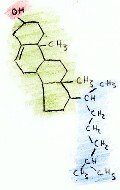
Debunking the Myths About Cholesterol
The idea that cholesterol is the cause of heart disease has been repeated so many times over the last half-century that most people assume it to be true without a second thought.
Now that statins, the cholesterol-lowering drugs, have begun to bring in a bonanza of profits for pharmaceutical companies, any new disease that can be pinned on cholesterol represents a chance to broaden the scope of profits ever more wide.
Alzheimer's disease
is now being blamed on cholesterol. Does the scientific evidence back it up? Or is it just another "cholesterol myth?"
Dr. Ravnskov and The Cholesterol Myths
Dr. Uffe Ravnskov, MD, PhD, coined the term "cholesterol myth" in his 2000 book
The Cholesterol Myths: Exposing the Fallacy That Saturated Fat and Cholesterol Cause Heart Disease.
Dr. Ravnksov's website on the cholesterol myths
details his credentials and summarizes his fascinating exposure of how nine myths about saturated fat, cholesterol, and heart disease came to be established orthodoxy without solid scientific evidence to back them up.
Despite Dr. Ravnskov's credentials, his meticulous research, and iron-clad arguments, his book has been so provocative, that it was literally set on fire on national TV in Finland!
Researchers Question the Cholesterol Myths
Dr. Ravnskov's ninth cholesterol myth is that all scientists support the position that dietary saturated fat and cholesterol cause heart disease. As Dr. Ravnskov shows, there have always been dissenters within the scientific community. One can take a principled stand against the idea that cholesterol causes heart disease and be in good scientific standing and in the company of many qualified researchers.
Some of the many medical doctors and researcher who question the relationship between cholesterol and heart disease and the general negative bias against cholesterol can be found at the website of
THINCS, The International Network of Cholesterol Skeptics.
7 October 2006
Vitamin D and cancer
Vitamin D is an extrememly important aspect in scoliosis correction and cancer prevention.
Studies discuss protective effects of Vitamin D and Cancer.
A study out of Albert Einstein College of Medicine suggests the potential protective effects of calcium and vitamin D on breast cancer. The report included:
1) serum, plasma, and/or blood levels of vitamin D metabolites have been inversely associated with breast cancer risk in some studies;
2) high sunlight exposure, presumably reflecting vitamin D synthesis in the skin, has been associated with a reduced risk of breast cancer;
3) vitamin D and calcium intakes have been inversely related to breast density, an intermediate end point for breast cancer;
4) calcium has been associated with a reduced risk of benign proliferative epithelial disorders of the breast, putative precursors of breast cancer;
Studies discuss protective effects of Vitamin D and Cancer.
A study out of Albert Einstein College of Medicine suggests the potential protective effects of calcium and vitamin D on breast cancer. The report included:
1) serum, plasma, and/or blood levels of vitamin D metabolites have been inversely associated with breast cancer risk in some studies;
2) high sunlight exposure, presumably reflecting vitamin D synthesis in the skin, has been associated with a reduced risk of breast cancer;
3) vitamin D and calcium intakes have been inversely related to breast density, an intermediate end point for breast cancer;
4) calcium has been associated with a reduced risk of benign proliferative epithelial disorders of the breast, putative precursors of breast cancer;
5 October 2006

4 October 2006
One Single Adjustment Benefits Neck Pain
A recent study performed in Spain has shown an immediate benefit from one adjustment in subjects with mechanical neck pain. A group of 70 patients with neck pain (25 males and 45 females, ages 20-55 years) participated in this study. The subjects were randomly divided into either an experimental group, which received an adjustment, or a control group, which received manual mobilization. The adjustment group showed a significant improvement in neck pain at rest and mobility after application of the manipulation. The control group also showed a significant improvement in neck pain at rest, flexion, extension, and both lateral flexions, but not in rotation. Results suggest that a single cervical HVLA manipulation is more effective in reducing neck pain at rest, and in increasing active cervical range of motion, than a control mobilization procedure in subjects suffering from mechanical neck pain.
Journal of Manipulative and Physiological Therapeutics 2006;29(7):511-517.
Journal of Manipulative and Physiological Therapeutics 2006;29(7):511-517.
A Little Sun a Day Keeps Vitamin D Deficiency Away
Sunshine, aside from being good for your soul, adds a very important element into your life - vitamin D. The sun works with the skin to produce vitamin D in your body. Although other forms of vitamin D are in some of the foods we eat, they still need to be processed to gain the benefits.
A study published in the Archives of Disease in Childhood evaluated a group of adolescent girls in an inner city school in the United Kingdom for vitamin D deficiency. Fifty-one girls between the ages of 14 and 16 were chosen to participate in the study. After measuring weight, height and body mass, the researchers distributed a questionnaire that evaluated the girls' daily intake of vitamin D, calcium and sunlight.
Thirty-seven of the girls (73 percent) were found to be vitamin D deficient, while nine (17 percent) of the students were considered severely deficient.. The results indicated that the vitamin D deficiency was due to underexposure to sunlight.
Of course, too much sun can be a bad thing, particularly in terms of skin damage, so be careful. But a little a day can go a long way toward ensuring adequate intake of vitamin D.
Archives of Disease in Childhood, July 2006;91(7):569-572.
A study published in the Archives of Disease in Childhood evaluated a group of adolescent girls in an inner city school in the United Kingdom for vitamin D deficiency. Fifty-one girls between the ages of 14 and 16 were chosen to participate in the study. After measuring weight, height and body mass, the researchers distributed a questionnaire that evaluated the girls' daily intake of vitamin D, calcium and sunlight.
Thirty-seven of the girls (73 percent) were found to be vitamin D deficient, while nine (17 percent) of the students were considered severely deficient.. The results indicated that the vitamin D deficiency was due to underexposure to sunlight.
Of course, too much sun can be a bad thing, particularly in terms of skin damage, so be careful. But a little a day can go a long way toward ensuring adequate intake of vitamin D.
Archives of Disease in Childhood, July 2006;91(7):569-572.
25 September 2006
Calcium for Kids
Also published on September 15th, but in the British Medical Journal, was an article indicating that getting children to supplement with calcium made no difference in bone density later in life. In summary, the study concluded, "Given the small treatment effects seen with calcium supplementation, however, it may be appropriate to explore possible alternative nutritional interventions, such as increasing vitamin D concentrations and intake of fruit and vegetables."
While a surprise to the researchers involved, in the study, this is hardly a surprise to those in the alternative health community who understand the true nature of bone density.
Perhaps in the next study, the researchers can analyze the effects of:
Increasing weight bearing exercise. (Lack of sufficient weight bearing exercise accelerates bone loss. Thus, increasing exercise helps reverse it.)
Insufficient boron and vitamin D3 contribute to bone loss.
Insufficient magnesium in the diet is probably more of a factor than insufficient calcium. A study in the Journal of Nutritional Medicine, 1991; 2:165-178, for example, showed that after nine months, women on magnesium supplements increased bone density by some 11%.
Increasing the amount of gamma linolenic acid and eicosapentaenoic acid in the diet helps increase bone density.
Avoiding fluoride in your drinking water is vital. Fluoride collects in the bones, and although it "technically" increases bone mass and density, the evidence is very strong that fluoride intake can actually double the incidence of hip fractures.
Using a natural progesterone creme (either men's or women's) can help.
While a surprise to the researchers involved, in the study, this is hardly a surprise to those in the alternative health community who understand the true nature of bone density.
Perhaps in the next study, the researchers can analyze the effects of:
Increasing weight bearing exercise. (Lack of sufficient weight bearing exercise accelerates bone loss. Thus, increasing exercise helps reverse it.)
Insufficient boron and vitamin D3 contribute to bone loss.
Insufficient magnesium in the diet is probably more of a factor than insufficient calcium. A study in the Journal of Nutritional Medicine, 1991; 2:165-178, for example, showed that after nine months, women on magnesium supplements increased bone density by some 11%.
Increasing the amount of gamma linolenic acid and eicosapentaenoic acid in the diet helps increase bone density.
Avoiding fluoride in your drinking water is vital. Fluoride collects in the bones, and although it "technically" increases bone mass and density, the evidence is very strong that fluoride intake can actually double the incidence of hip fractures.
Using a natural progesterone creme (either men's or women's) can help.
17 September 2006
Lifetime high calcium intake increases osteoporotic fracture risk in old age
Thijs R. Klompmaker,
Groove Union Coop. U.A., van Hogendorpstraat 4, 1051 BP Amsterdam, Noord Holland, The Netherlands
Summary
Caloric restriction prolongs life span. Calcium restriction may preserve bone health.
In osteoporosis, bone mineral density (BMD) has significantly decreased, due to a lack of osteoblast bone formation. Traditional osteoporosis prevention is aimed at maximizing BMD, but the lifetime effects of continuously maintaining a high BMD on eventual bone health in old age, have not been studied. Strikingly, in countries with a high mean BMD, fracture rates in the elderly are significantly higher than in countries with a low mean BMD. Studies show that this is not based on genetic differences. Also, in primary hyperparathyroidism, on the brink of osteoporosis, BMD levels may be significantly higher than normal.
Maybe, BMD does not represent long term bone health, but merely momentary bone strength. And maybe, maintaining a high BMD might actually wear out bone health.
Since osteoporosis particularly occurs in the elderly, and because in osteoporotic bone less osteoblasts are available, the underlying process may have to do with ageing of osteoblastic cells.
In healthy subjects, osteoblastic bone cells respond to the influx of calcium by composing a matrix upon which calcium precipitates. In the process of creating this matrix, 50–70% of the involved osteoblasts die. The greater the influx of calcium, the greater osteoblast activity, and the greater osteoblast apoptosis rate. An increased osteoblast apoptosis rate leads to a decrease in the age-related osteoblast replicative capacity (ARORC). In comparison to healthy bone, in osteoporotic bone the decrease in the replicative capacity of osteoblastic cells is greater. Due to the eventual resulting lack of osteoblast activity, micro-fractures cannot be repaired. Continuously maintaining a high BMD comes with continuously high bone remodeling rates, which regionally exhaust the ARORC, eventually leading to irreparable microfractures.
Regarding long time influences on bone health, adequate estrogen levels are known to be protective against osteoporosis. This is generally attributed to its inhibiting influence on osteoclast activity. Instead, its net effects on osteoblast metabolism may be the key to osteoporosis prevention. Adequate estrogen levels inhibit osteoblast activity, calcium apposition and osteoblast apoptosis rate, preserving the ARORC.
Conclusion
Regarding osteoporosis prevention, ARORC better than BMD represents bone health. Regarding ARORC, adequate estrogen levels are protective, opposing the similar effects of hyperparathyroidism and a high calcium diet.
Tests need to be performed in mice to assess the lifetime effects of a high versus a low calcium diet, on eventual bone fracture toughness.
Groove Union Coop. U.A., van Hogendorpstraat 4, 1051 BP Amsterdam, Noord Holland, The Netherlands
Summary
Caloric restriction prolongs life span. Calcium restriction may preserve bone health.
In osteoporosis, bone mineral density (BMD) has significantly decreased, due to a lack of osteoblast bone formation. Traditional osteoporosis prevention is aimed at maximizing BMD, but the lifetime effects of continuously maintaining a high BMD on eventual bone health in old age, have not been studied. Strikingly, in countries with a high mean BMD, fracture rates in the elderly are significantly higher than in countries with a low mean BMD. Studies show that this is not based on genetic differences. Also, in primary hyperparathyroidism, on the brink of osteoporosis, BMD levels may be significantly higher than normal.
Maybe, BMD does not represent long term bone health, but merely momentary bone strength. And maybe, maintaining a high BMD might actually wear out bone health.
Since osteoporosis particularly occurs in the elderly, and because in osteoporotic bone less osteoblasts are available, the underlying process may have to do with ageing of osteoblastic cells.
In healthy subjects, osteoblastic bone cells respond to the influx of calcium by composing a matrix upon which calcium precipitates. In the process of creating this matrix, 50–70% of the involved osteoblasts die. The greater the influx of calcium, the greater osteoblast activity, and the greater osteoblast apoptosis rate. An increased osteoblast apoptosis rate leads to a decrease in the age-related osteoblast replicative capacity (ARORC). In comparison to healthy bone, in osteoporotic bone the decrease in the replicative capacity of osteoblastic cells is greater. Due to the eventual resulting lack of osteoblast activity, micro-fractures cannot be repaired. Continuously maintaining a high BMD comes with continuously high bone remodeling rates, which regionally exhaust the ARORC, eventually leading to irreparable microfractures.
Regarding long time influences on bone health, adequate estrogen levels are known to be protective against osteoporosis. This is generally attributed to its inhibiting influence on osteoclast activity. Instead, its net effects on osteoblast metabolism may be the key to osteoporosis prevention. Adequate estrogen levels inhibit osteoblast activity, calcium apposition and osteoblast apoptosis rate, preserving the ARORC.
Conclusion
Regarding osteoporosis prevention, ARORC better than BMD represents bone health. Regarding ARORC, adequate estrogen levels are protective, opposing the similar effects of hyperparathyroidism and a high calcium diet.
Tests need to be performed in mice to assess the lifetime effects of a high versus a low calcium diet, on eventual bone fracture toughness.
15 September 2006
Treatment with 'friendly' bacteria could counter autism in children
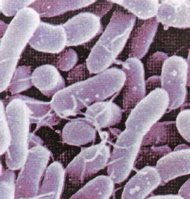
Here is another reason to implement probiotics or traditionally prepared fermented foods into you daily diet. The gut literally is the second brain. Total health begins in the gut, folks. If your GI tract isn't functioning very well, it's guaranteed your overall health will be compromised. Although I am not a big fan of nutritional supplementation, probiotics are the exception, and the only supplement I recommend for ALL new patients (unless of course they are already on one). I don't believe they need to stay on it the rest of their lives, but one to three months are usually beneficial until they are able to improve their diets.
----------------------------------------------------------
IAN JOHNSTON SCIENCE CORRESPONDENT
PROBIOTIC bacteria given to autistic children improved their concentration and behaviour so much that medical trials collapsed because parents refused to accept placebos, a scientist revealed yesterday.
The effect of the bacteria was so pronounced that some of the parents taking part in what was supposed to be a blind trial realised their children were taking something other than a placebo.
A number then refused to give their children the placebo when they were due to switch, resulting in the collapse of the trial.
Glenn Gibson, a microbiologist who ran the study of 40 autistic children aged between four and eight, said this meant it was difficult to draw any firm conclusions and he is planning to carry out further research.
However, he said parents had told him the probiotic bacteria was having a beneficial effect, resulting in "better concentration and better behaviour".
One parent said it was "heartbreaking" to have to stop their child taking it.
"It was really challenging for us and the parents. I'd really like to go back to it and do it in a better way, with perhaps more professional help from people who know how to deal with autistic children," said Prof Gibson.
"The trial ultimately failed because of the large number of drop-outs. About half the kids dropped out. Some of the parents worked out their child was on the test and didn't want to move on to the placebo."
Autistic children often suffer bowel conditions and Prof Gibson said a previous study had found high levels of a "bad" bacteria called clostridia in the gut.
The probiotic was then designed to reduce the levels of clostridia and promote "friendly" bacteria instead to see what effect this would have.
Prof Gibson, from Reading University, said the children appeared to show fewer signs of autism when taking the probiotic supplement, which was given in a powder once a day.
"Very subjectively, we asked the parents to fill in diaries about the mood of the children. We got very positive feedback generally," he said.
He said that certain kinds of clostridia produced neuro- toxins, which potentially could be the cause of autism or a contributory factor.
However, he said this was speculation and the apparent improvement could also simply be because the children had felt better.
"If your gut is not behaving yourself, you feel rough," Prof Gibson said.
The first bacteria in the gut is received from the mother during birth and then comes from the outside environment, with diet playing an important role.
"They [infants] may be under medication for an infection and that may have an effect," Prof Gibson said.
"There are all sorts of different factors that may affect that [the bacterial make-up of the gut]."
There was a scare over widely discredited claims that autism was linked to the MMR - measles, mumps and rubella - vaccine given to children.
Asked whether he thought childhood vaccines could have an effect, Prof Gibson said: "No. I don't think there is anything in this MMR business at all."
It is estimated that 535,000 people in the UK have some kind of autism, including a milder form called Asperger's Syndrome.
The condition affects four times as many boys as girls for reasons that are not clearly understood.
A spokeswoman for the National Autistic Society (NAS), the UK's leading charity for people with the condition and their families, said it followed new research into possible treatments with great interest.
She went on: "There is anecdotal evidence that certain vitamins and diets do have benefits for some people with autism. However, a great deal more research remains to be done in this area.
"The NAS looks forward to seeing the results of the further research that Professor Gibson hopes to conduct in the future."
She said that "rigorous scientific evaluation" was necessary to gauge the effects of any new treatment.
A whole range of therapies had been tried in the past, from medication and behavioural therapy to aromatherapy and swimming with dolphins, with varying degrees of success.
Confessions of a Women Doctor: "I was Shocked"
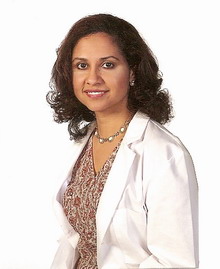
By Dr. Blossom Kunnel
You may be surprised to learn that cholesterol-lowering medications offer women little to no protection from heart attack or heart disease. I know I was. In medical school, my professors spoke of them with such enthusiasm, I was convinced. Then as an emergency room doctor, I continued to believe that statin drugs were the most important medical discovery of the last fifty years.
Then I met Dr Al Sears and he asked me, "Where's the unbiased evidence?" The more I tried to answer that question, the more I realized that what I had been shown as evidence all came from a single source – the drug companies themselves! As I tried to find unbiased proof, all the "evidence" evaporated.
Today I want to share my path of discovery with you and give you safer, more effective ways to improve your cardiovascular health – so you too don't find yourself "duped" like I was.
Searching for the Facts Gives Me the Shock of My Life…
Growing up in India, I was very familiar with our ancient form of natural medicine called Ayurveda. The word Ayurveda means, "the science of life." Practiced for thousands of years, Ayurveda is a complete system of health and healing.
But when I moved to the US at the age of 12, I adopted the American lifestyle and later went to medical school in Philadelphia. After practicing emergency medicine for many years, my connection to Ayurveda felt like just a memory.
By the winter of 2004, my faith in the medical establishment was starting to crack. On my days off, I started going to lectures by leading doctors who integrated both western and alternative medicine. That's when I met Dr. Al Sears. His book, The Doctor's Heart Cure, opened my eyes to the real causes – and treatments – of heart disease.
As my awareness grew, so did my research. I started to uncover studies showing that statin drugs have no real benefit for women. Actually, I didn't have to look very far…
The Journal of the American Medical Association (JAMA), reported: "For women without cardiovascular disease, lipid [cholesterol] lowering does not affect total or CHD [Coronary Heart Disease] mortality…" 1 In other words, statins don't do anything for otherwise healthy women with high cholesterol.
Later, I discovered the University of British Columbia Therapeutics Initiative came to the same conclusion, finding that statins have no benefit to women for the prevention of heart disease.2
Even worse, the Honolulu Heart Program study revealed that statins – and the low cholesterol levels they produce – cause problems for the elderly. This particular study is rare, as it's one of the few that measured cholesterol levels over a twenty-year period. Their results showed that those who maintained low cholesterol for twenty years – from middle age into old age – had the highest risk of death.2
But the surprises kept coming. The ASCOTT-LLA study, the largest clinical trial on the effectiveness of statin therapy in women, found that women who took Lipitor (the world's most popular statin) had 10 percent more heart attacks than the women who took the placebo.3
Returning to the Roots of Natural Medicine
After recovering from my initial shock, I went back to my roots. I found that Ayurveda had reliable – and effective – ways of dealing with heart disease. In fact, many were the very same herbs used daily by doctors here in the West.
But I don't limit myself to the Ayurvedic approach. Nutrients like Niacin and CoQ10 are essential. Here's a list of the 3 treatments I use most often for heart health:
Fenugreek: Recent studies show that one gram of fenugreek a day helped to lower blood sugar and improve sensitivity to insulin. It also lowered triglyceride levels and boosted HDL (good cholesterol) 4 My usual recommendation is to start with 500 mg of fenugreek twice a day.
To take fenugreek the traditional Ayurvedic way, put a bunch of the dried leaves in a bowl of water and let it sit overnight. In the morning, strain the mixture and drink as a tea throughout the day.
Niacin: Also known as vitamin B-3, niacin favorably alters both LDL (bad cholesterol) and triglycerides and increases HDL. Niacin is integral to the production of fats in the human body. Niacin even plays a role in the production of estrogen, progesterone, and testosterone – the sex hormones.
The best source of niacin in foods is in nuts and dried beans. In addition, many meats such as liver, poultry and fish contain niacin. You can also take niacin as a supplement. I recommend 500 mg once a day.
CoQ10: There have been at least 100 studies at major universities and hospitals linking CoQ10 deficiency with heart disease. CoQ10 is an enzyme required for deriving energy from oxygen. Without it, organs that need a lot of energy like your heart, brain, kidneys and liver suffer.
Statins actually block the production of CoQ10. This negative effect happens to 100 percent of the patients who take them. Ironically, the depletion of CoQ10 weakens your heart.
In my experience, close to 80 percent of my female patients are deficient in CoQ10. I recommend 100 mg of CoQ10 per day to anyone who is generally healthy. If you have high blood pressure, heart disease, high cholesterol, gingivitis, age related memory loss, chronic fatigue or are a vegetarian, increase your dose to 200 mg per day.
CoQ10 is available at many nutrition stores but you may have to do some searching to find the adequate therapeutic doses I recommend. Coenzyme Q10 is soluble in oil only. So like vitamin E, you should eat some kind of fat or oil with your CoQ10 or your gut won't absorb it very well.
1. Walsh JME, Pignone M. Drug Treatment of Hyperlipidemia in Women. JAMA. 2004; 291:2243-52.
2. Fallon S. Enig M. Dangers of Statin Drugs. HealthKeepers Magazine. Vol. 8, Issue 2. 2006.
3. Wise Traditions Journal. Vol. 6, Number 3. Fall 2005.
4. Gupta A, Gupta R, et al. Effect of Trigonella foenum-graecum (fenugreek) seeds on glycemic control and insulin resistance in type 2 diabetes mellitus: a double-blind, placebo-controlled study. J Assoc Physicians
Subscribe to:
Posts (Atom)