New findings indicate that fish oil capsules and fatty fish do an equally good job of enriching the body with healthy omega-3 fatty acids.
For the study, 11 women ate two servings of tuna or salmon each week, while an additional 12 women took in the same amount of omega-3s in capsule form. After 16 weeks, the amount of omega-3 fatty acids in the red blood cells of women in both groups had risen by 40 percent to 50 percent.
The researchers began the project assuming that fish would be better, but, according to the lead researcher, found instead that “whether you get your omega 3 fatty acids from a concentrate in a capsule or in fish ... they have the same effect on enriching the tissues with omega 3.”
Sources:
* Reuters December 28, 2007

3 January 2008


Can Chinese Food Cause Cancer?
An increasing number of people in India are developing stomach cancer induced by carcinogenic monosodium glutamate (MSG) -- a common ingredient in Chinese food.
A retrospective history of 134 patients with stomach cancer revealed many of them were addicted to Chinese food. According to Ashish Mukhopadhyay, medical director of the Netaji Subhas Chandra Bose Cancer Research Institute, “Nearly half of those with stomach, rectal and colon cancer were regular consumers of Chinese food ... Tests showed that most had ulcers, which can be linked to monosodium glutamate.”
Oncologist Subir Ganguly agreed with his conclusion, adding: “[MSG] is widely used despite warnings, and since awareness is low, people don’t bother to find out if the food is safe. I have had scores of patients who are victims of monosodium glutamate.”
Sources:
* Times of India December 31, 2007
Two Die from Tainted Milk
A deadly outbreak of a bacterial illness, listeriosis, in Massachusetts stemming from tainted milk appears to have entered Whittier Farms' milk supply after it was pasteurized. Two victims of the illness have died, and another woman miscarried.
The Shrewsbury dairy has suspended operations and is cooperating with state officials trying to pinpoint the source of contamination.
This is believed to be the third ever instance of listeria bacteria in pasteurized milk in the United States. The bacteria can cause listeriosis, which can result in fever, headache, stiffness, nausea, abdominal pain and diarrhea.
Sources:
* Yahoo News December 28, 2007
Cultivating Happiness
Kathy Seligman
Sunday, December 30, 2007
Three good things, possibly more, happened to 6-year-old Fiona McLaughlin one fall day, and at dinner that night she took a deep breath and recounted them. The first was "right now," which often tops her list. Then there was going to school and making a color wheel there in the morning.
Her younger sister, Molly, who is 4, went next. "When you cuddle with me at night," she said, looking at her mother. "Right now and having homework."
It's not that bad things failed to happen. They did. Fiona's favorite friend was sick and didn't go to school. Molly, who actually didn't have homework but was attempting to do her sister's, said no one wanted to play with her when she got to school. But each night at their suburban Piedmont home, the girls are asked to stop and recall positive aspects of the day. The scene at dinner did not just fall into place. All of it - the well-set table, cloth napkins, candlelight, pointed questions about the best parts of the day - is a ritual rooted in the growing field of positive psychology, the scientific study of well-being. Kids tumble into the world with their own set of inherited traits and tendencies, researchers in the field say, but positive emotions can be nurtured.
"I'm not Pollyanna. I don't want them to focus on only good things, but there are habits that foster positive emotions," said Christine Carter, executive director of the Greater Good Science Center at UC Berkeley, who practices daily "gratitude interventions" with her family. She is a founder of a new project at the center called Half Full, aimed at teaching parents the "social science of raising happy kids." "The crazy idea," she said, "is that these things are skills."
On most nights she and her husband Michael McLaughlin, an executive at a food-manufacturing firm, and their two girls hold hands before dinner and take turns voicing something for which they're grateful. Before bed, the girls recite what's known as "three good things." On this particular night, Carter had a PTA meeting that required her to miss the bedtime ritual, so she altered it to include the gratitude exercises at dinner so I could watch them.
It was tempting to look for faults. Could harried parents, particularly if they're single and work full time, duplicate this cozy scenario? Could something that looks this simple actually produce kids who are likely to be happy?
Only the passage of time will reveal whether the interventions work in the long run. Research on gratitude exercises in very young children is limited, but studies of adults and teens have shown that various small interventions can have a measurable influence on happiness. Psychologists have looked at the effects of gratitude journals, letters and other practices and compared them with placebo exercises. One study conducted via the Internet a few years ago showed that when adults did two exercises for a week - naming three good things and identifying and using personal strengths in a concrete way - they were happier and had less depressive symptoms for six months than did those given placebo interventions. Other studies have shown that gratitude exercises can lead to more regular and lower heart rhythms and better sleep.
For about 50 percent of people who report they are happier than others, genetics is the primary reason, says Sonja Lyubomirsky, a UC Riverside psychologist whose research on what works to boost and sustain happiness has been funded by the National Institutes of Health. Circumstances such as marriage, level of health and income are a determining factor for 10 percent. That leaves 40 percent who can be affected by "intentional strategies" or interventions, including acts of kindness, exercise, concentrating on the present and gratitude, she says. She has found, not surprisingly, that not all strategies are suitable for all people.
"Myself, when I started doing gratitude interventions, I tried to count my blessings," she said. "I just couldn't do it. It seemed kind of corny to me. That might be true for others also."
Psychologists used to focus solely on the roots of why the mind falters - from mood disorders, anxiety and depression to major psychotic illness and other dysfunction - and how to relieve suffering. But in the past decade an increasing number of psychologists and social scientists have been investigating what contributes to emotional good health in individuals and collectively in institutions and societies.
"We believe that a complete science and a complete practice of psychology should include an understanding of suffering and happiness, as well as their interaction, and validated interventions that both relieve suffering and increase happiness - two separate endeavors," wrote some of the nation's most prominent positive psychologists in a review of progress in the field published two years ago in the American Psychologist.
The push to study what makes life worth living was inaugurated almost a decade ago by Martin Seligman, author of the books "Authentic Happiness" and "Learned Optimism" and director of University of Pennsylvania's Positive Psychology Center. As newly chosen head of the American Psychological Association, he thought the group should move in a new direction, studying the traits and characteristics of people who thrive.
The notion was not historically new. Examination of what brings satisfaction and fulfillment to humans has been around since ancient Greece. But designing studies that rely on controlled experiments and measures of happiness was a different concept. It meant defining a state of mind that most people think of as both transient and subjective. Seligman, who found the term happiness "scientifically unwieldy," decided to include three components - experiencing positive emotions, being engaged in life and leading a meaningful life. Seligman and colleagues came up with a handbook of character, strengths and virtues (referred to as CSV) to identify positive states of mind as a parallel to psychiatry's Diagnostic and Statistical Manual of Mental Disorders (DSM), the standard tool for diagnosing mental illness. Other psychologists devised happiness indexes and surveys to measure positive emotions.
As the field has grown, psychologists have looked at how to apply their research. They want to know not just what makes people happy but also how to get the knowledge where it's needed. Some found a ready target right on campus. More than 100 colleges and universities now offer classes in positive psychology, some of them teaching students not just the foundations but also how to apply the research to themselves and their immediate worlds. More than 800 students a term have been flocking to Harvard University lecturer Tal Ben-Shahar's positive psychology class, making it the most popular class on campus. Lyubomirsky, author of a new book "The How of Happiness," teaches a seminar in the psychology of happiness and virtue. Dacher Keltner, a UC Berkeley psychology professor and co-director of the Greater Good Science Center, last year taught a course in benevolence, and next year plans a class that he will simply call Happiness.
"I've been studying this since my first day of graduate school," said Lyubomirsky, who remembers discussing the science of happiness with her adviser at Stanford. "At the time it was considered unscientific - soft and fuzzy - but now it's really hot."
There are critics who say that it is all those. Following on the heels of the self-improvement and self-esteem movements (the latter of which is now criticized as sparking an epidemic of narcissism and out-of-control praise), positive psychology might just be another fad, they say. It probably won't hurt anyone, but will it help in significant ways?
"I've been doing experiments with how and why these interventions work," said Lyubomirsky, whose work centers now on studying how to sustain happiness. In her book she lists a dozen kinds of strategies. "A lot of these things are obvious," she said, "but as scientists we need to test them empirically."
As a child, Carter was not particularly cheerful. She remembers crying every day until she was in second grade.
"I was the sensitive child, the worrier, the crier," she said, sitting in her office at the Greater Good Science Center, an interdisciplinary center devoted to scientific research on positive emotions. "I do run happy, but I am prone to anxiety, or I have been."
What happened, she said, is that somehow she learned the skills to be happy. There were no formal gratitude interventions, just life experiences. Kids teased her in elementary school, which taught her to be empathetic in junior high school. "Those early difficult experiences fostered a resilience that has served me well since," she writes in the blog portion of Half Full, where she talks about the importance of embracing failure. She also attributes her skills partly to her parents ("My father is one of the happiest people I know," she says) and going to the Thatcher School, a boarding school in Southern California where she felt the emphasis was on what makes a complete and fulfilled person instead of solely on achievement. "My personal experience is why I believe it can be done," she said. "I was a perfectionist overachiever."
As a young woman, she navigated through a competitive world, graduating from Dartmouth College and then working in brand management and marketing at the Quaker Oats Co. in Chicago, where she came up with strategies to promote products like Cap'n Crunch cereal.
"I always knew I'd go to graduate school," she said. "Sociology is the study of trends. Marketing is similar. You have to understand what people need. I always hoped I'd market not consumer products but ideas for the greater good."
She attended graduate school in sociology at UC Berkeley, where her doctoral dissertation looked at whether money buys happiness for children. She found that income mattered a lot, up to a certain point. After basic needs were met, money was not a big factor. "With kids, money buys everything that matters," she said. "Good schools, time with parents, social connections, good child care." Money was important in creating the conditions for happiness, but was not itself the source.
An Associated Press and MTV poll conducted last summer echoed this, finding that young people 12 to 24 said spending time with family and friends ranked the highest in making them happy. Very few mentioned money as a factor in happiness, although many middle-class kids said they felt stressed out and pressured.
Carter's project at the Greater Good Science Center was spurred partly by the concern of parents who knew about her research and would come to her with questions about how to make their kids confident and happy in the midst of so much materialism and entitlement. Like a pediatrician who goes to parties and finds herself besieged with questions about childhood illnesses, Carter found herself constantly answering inquiries about the science of happiness. "Everywhere I'd go people would say, 'Tell me about the research. What about the gratitude thing?' " she said.
She had particularly long and meaty conversations with another parent who had children the same age. Most days the two stood around outside the kindergarten class, Room 15, and talked for a half hour while they waited to pick up their children.
"She had really interesting studies at her fingertips," said Kelly Corrigan, a journalist whose column, Grain of Salt, appears in Bay Area papers. "Her work was bleeding into my columns. We talked about starting a blog. We thought we'd call it Outside Room 15."
Corrigan would ask global questions like, "Are all kids going to be unappreciative brats?" recalled Carter. "I thought how there is all this research on gratitude and it can be taught. "
Corrigan, whose memoir "The Middle Place," about her relationship with her father as both battled cancer, will soon be published by Hyperion, already was working on a TV project. She envisioned the research on the science of happiness in video segments. "I thought people would want to watch it," she said, "but I didn't have time to do it. Christine is the type when you say something in a conversation she comes bounding in a week later and says, 'I found funding.' "
Carter received a grant for a pilot program from the Herb Alpert Foundation, found a director and technical help and enlisted Corrigan to help.
"It's very different than what most researchers will do," Carter said. "Most aren't willing to make the leaps I make. It's a step away from research. What I do is practical application."
On the Web site, she and Corrigan appear in a series of short pieces, which can be viewed or read. The two sit across from each other and discuss topics ranging from how to make dinnertime a ritual to how to teach gratitude and look for the positive in mistakes. The tone is conversational, each bite-size session interspersed with anecdotes and research.
I'm a little uncomfortable in this role," said Corrigan. "Giving tips to parents implies that you've got the parenting thing licked, and that's not true. But this is really for curious parents, anyone who loves the details of a study."
Some of the discussions draw heavily on the work of Carol Dweck, a psychologist at Stanford University who has studied what she calls fixed and growth mindsets. According to Dweck, students who are praised for intelligence develop a fixed mind-set, an attitude that they are bright and should therefore be able to do everything well. Students who are taught that their brains are like a muscle, that they can learn if they work hard, are more able to retain optimism and confidence when they face obstacles, Dweck found.
"I have a lot of research showing that even at a young age, almost all kids are optimistic, but when they make mistakes or are criticized, 30 to 40 percent lose it," she said. "They become very pessimistic and self-doubting. We believe very strongly that it's not just whether they are lively and optimistic when nothing is going on but whether they can withstand setbacks."
In a study in progress at the Bing Nursery School at Stanford, Dweck and one of her graduate students are looking at whether young kids will attempt harder tasks after a simple intervention that teaches them that they can exercise their brain like any other muscle. Her graduate student, Allison Master, wrote a storybook about a bird that learns to do tasks the hard way. One group of children hears that story. Children in another group listen to a story about the importance of helping others. Both groups are then asked to choose between hard and easy puzzles. Dweck and her student will watch to see which students choose the harder challenge and which group handles it with more confidence and optimism.
Dweck, the author of "Mindset: the New Psychology of Success," also delivers her message to Stanford students in an undergraduate psychology seminar. She assigns essays on various aspects of mind-set and the transition to college, relationships and study habits. "Students here need this message," she said. "No matter how brilliant you are, the transition is a struggle. Students are really helped if they are taught that everyone is struggling. They have to learn how to do college, to know that it's about hard work, not innate brilliance."
Similarly, the Half Full series recommends that parents of young children explore how they define success and failure. She suggests that they go around the table at night and ask kids to tell about a mistake they made that day and what they learned from it.
It also advises practicing gratitude by keeping a gratitude journal or a list of things family members are thankful for, or by writing gratitude letters. Kids should also be encouraged to savor good experiences.
One of Carter's strongest beliefs is that families should have dinner together. The advice, although not new, is a source of frustration to many parents who agree in theory but find it all but impossible to accomplish and then resent feeling guilty about it. To some it sounds better than it is lived. Anyone with kids knows about the chaos, whining, rejection of food groups, moodiness and whimsy that can accompany meal times.
Corrigan talks in one of the Half Full blogs about having trouble getting everyone together at dinner in her own home. Her husband is often home late and she ends up waiting on the kids, but not usually eating with them. Carter said she should be sitting down and eating with them because meals are a time to slow down, talk as a family and share a simple but basic need - food.
Studies have shown the benefits, Carter points out. And it can be a simple ritual with uncomplicated or take-out dishes, she said. The night I visited, Fiona and Molly helped make grilled sandwiches, with sides of pickles. "Lots of condiments," said their father, as he arrived home at 5:30, as he does each night for dinner. Michael McLaughlin said he grew up in a close family that ate dinner in front of the television most nights. It was a kind of a '50s scene, where his mother did the bulk of housework and his father came home later. He had a good relationship with his parents, but he wants to be more of an active participant, he said.
That means leaving work earlier and sometimes working after his kids are in bed. His daughters join as part of the cooking team most nights. When I arrived they were standing on footstools, Molly doling out pickles and Fiona brushing melted butter on bread and arranging cheese and meat. While their mother grilled the sandwiches and cooked broccoli, they set the table with their father. Then they sat and held hands.
"Dear God, thank you for this wonderful family and my sister and for my dog and cat. Amen," said Molly, leading the family in saying grace.
Corrigan said she is not religious and at first had trouble saying grace. Now she said she feels it's just about gratitude.
"I have all this gratitude and I don't know what to do with it," said Corrigan, who thinks she's an optimist by temperament while Carter "achieved" it. "I don't know who to thank. Sometimes we say grace over breakfast. 'Here we are, another healthy day in beautiful, sunny California, eating another great meal.' One thing that stuck for me is that it has these implications for orienting you toward optimism and gratitude. I was made a lot more grateful because I had a year with late-stage cancer and I beat it. I never get over another day of 'Yeah, no chemo, another day just combing my long hair.' "
After saying grace, the family talks about the day, although they realize that might change when the kids are older and simply want to say "nothing" when asked what they did at school. The night I joined them they talked about the forthcoming holidays, a planned trip to visit friends in Chico and about a conference with Fiona's teacher. "She said you're fun to have in class because you try so hard," said her father (he had learned the mind-set research on "effort praise" as opposed to "ability praise"). Neither girl ate very much, and at one point Molly started giggling, put her napkin on her head, then almost fell asleep at the table.
After dinner, Molly drew while Fiona showed me her homework. She has chosen to learn Mandarin at school and takes an after-school class in knitting. It's impossible to say whether her enthusiasm will last or where exactly it comes from. Genetics? Intervention? If the research is right, it's a combination.
Soy Milk, Rice Milk or Almond Milk: Which is the Best Alternative Milk for You?
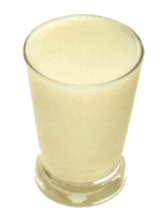
Whether you're allergic to milk, lactose intolerant or simply not crazy about the taste of cow's milk, one thing's for sure: there are now a lot of other options for you.
Dairy alternatives represent a growing market, as anyone who peruses the shelves of soy, rice and almond milks -- in vanilla, chocolate and plain, non-fat, powdered, liquid and more -- will tell you.
"The U.S. is the largest market for dairy alternatives. Growth in the dairy alternatives market is projected to be around 16 percent per annum over the next five years, with sales set to hit $3.7 billion by 2006," according to a report by the International Market for Dairy Alternatives.
Choosing the right variety for you, however, can be a challenge, particularly if you're new to the pseudo-milk market.
Soy MilkSoy Milk: Swimming in Controversy
If you want to know whether or not soy milk is good for you, it really depends on who you ask. The Food and Drug Administration has been touting the benefits of soy for a healthy heart. In 1999 they approved the health claim:
"Diets low in saturated fat and cholesterol that include 25 grams of soy protein a day may reduce the risk of heart disease."
The claim was approved after the FDA determined that "four daily soy servings can reduce levels of low-density lipoproteins (LDLs), the so-called "bad cholesterol" that builds up in blood vessels, by as much as 10 percent."
The American Heart Association agrees, and recommends that soy products (like soy milk) be used in a diet that includes fruits, vegetables, whole grains, low-fat dairy products, poultry, fish, and lean meats.
That said, Kaayla Daniel, PhD, author of "The Whole Soy Story: The Dark Side of America's Favorite Health Food," believes soy estrogens can wreak havoc on hormones and more. She had this to say to one person on her Web site who said they got a lift from soy milk:
"Check the ingredient list on your soy milk and you'll almost certainly find a lot of sugar. It might be named cane sugar, barley malt, rice sugar, fructose, corn syrup. Whatever, it's sugar. The most likely reason that you feel better after drinking your soy milk is that you are getting a sugar hit.
The second possibility is that the soy estrogens are stimulating your thyroid. For some people this results in a mildly hyperactive thyroid with short-term energy gain. The down side is that over the long run your thyroid may go down, sinking into hypothyroidism. That means loss of energy, cognitive decline, brain fog. In my opinion the long-term risks of soy do not justify any short-term benefit."
And then there's the taste.
Ben Wasserstein, an associate editor at New York magazine, conducted a taste test on milk alternatives. Of the three soy milks tested, the highest average score was 3.6 (on a scale of 1 to 10, with 10 being the best). Tasters compared the drinks to "chalk," "a root," and "vegetabley."
If you do opt for soy milk, most consumers recommend that you try a number of different brands before deciding on one you like (or dislike). Every brand tastes drastically different, as do flavors and varieties within brands.
Almond MilkAlmond Milk: A Healthy Choice?
Almonds are one of the healthiest nuts you can eat. They're rich in magnesium, potassium, manganese, copper, the antioxidants vitamin E and selenium, and calcium. Almond milk, then, may be one of the more nutritious milk alternatives on the market.
However, almonds are costly so the actual amount of almonds used in the almond milk is small; it may not be enough to give you lots of nutrition. You also need to watch out for additives and sweeteners in the milk.
A solution may be to try your own homemade variety:
* Grind one-quarter cup of almonds in a coffee grinder.
* Combine almonds with one cup of water and blend in a blender for two to three minutes.
* Strain the liquid using a sieve, if you like.
But what about the taste?
Consumers generally find the taste of almond milk pleasing. It has a light, nutty flavor.
Rice MilkRice Milk: Mostly Carbs
Rice milk is processed from brown rice and usually contains rice syrup, evaporated cane juice or some other natural sweetener. It is typically fortified with calcium or vitamin D.
Rice milk is largely a source of carbohydrates, so it's important not to look at it (or either of the other two milk substitutes) as a nutritional replacement for milk (cow's milk is a source of protein, fat and carbs). Rather, it should be looked at as a useful replacement for milk for taste and cooking purposes, but to get the nutrients of cow's milk be sure you're eating a wide variety of other foods.
And the taste? In Wasserstein's taste test, one variety of rice milk was tested. It received an average score of 4.0. Consumers said it tasted "oaty, but not" and "plasticky."
What's the Bottom Line?
The milk alternative you choose is up to you:
* The health benefits of soy milk are highly debated. It may be good for you, or it may be harmful.
* Almond milk may be healthful (but you're probably better off just eating the almonds).
* Rice milk is largely a source of carbohydrates (but it can give you something to use with your meals and baking if you like the taste).
The final decision comes down to personal preference and taste. If you can't drink milk, but miss it in your diet, check out the different varieties out there--and be sure you're eating a wide variety of healthy foods to go along with it.
Milk Alternatives: How do They Compare?
Beverage
(per 1 cup / 8 fluid ounces) Calories
(kcal) Total
Fat (gm) Saturated
Fat (gm) Calcium
(mg) Vit. D
(IU)
Fat-free milk (Skim or nonfat milk) 86 0 0 302 100
1% Lowfat milk (light milk) 102 2.5 1.5 300 100
2% Reduced-fat milk 121 5 3 297 100
Whole milk (3.25% fat) 150 8 5 291 100
Soy "milk" (fat-free/plain/fortified) 70 0 0 200 120
Soy "milk" (regular/plain/fortified) 110 2.5 0 300 120
Soy "milk" (regular/plain) 100 5 0 4 0
Rice "milk" - fat-free (plain/fortified) 80 0 0 150 120
Rick "milk" - lowfat (plain/fortified) 90 2 0 150 120
Almond "milk" (regular/plain) 70 2.5 0 2 0
*Nutritional information will vary due to brand, ingredient, and fortification variables.
Does Fasting Contribute to a Healthy Lifestyle or Not?
Fasting, or abstaining from some or all food and drink for a certain period of time, has been used for centuries among religious groups looking to gain a greater sense of spirituality.
Fasting, or abstaining from some or all food and drink for a certain period of time, has been used for centuries among religious groups looking to gain a greater sense of spirituality.
The Risks of Fasting
The major risk of fasting is that you may accidentally put your body into starvation mode. In other words, if you fast for too long, your body may start to cannibalize muscle and organs, which is what happens when you starve and is definitely not healthy.
There is also a risk of becoming dehydrated (if you abstain from fluids) and of altering your electrolyte levels, which can trigger heart problems suddenly. Long-term pure water fasts (which are the most extreme fasts, and are less common than juice fasts) are especially risky when it comes to your electrolyte levels.
You may even feel slightly sick during a fast, as you could be exposed to toxins that are being released from your fat stores (ultimately, proponents say, this is a good thing because it means the toxins will soon be eliminated from your system).
Fasting is particularly dangerous for people with diabetes (who may experience dangerous swings in blood sugar), children and teenagers (who are still developing), pregnant and nursing women, the elderly, and anyone who is frail.
Meanwhile, according to Dr. Raymond Gibbons of the Mayo Clinic, fasting may not actually help you to lose weight.
"Fasting resets the metabolic rate," she says in USA Today, "slowing it down to adjust to less food and forcing the body to store calories as soon as people resume eating."
So if you decide to try the ancient practice of fasting, you may very well enjoy some benefits. But there are definitely risks involved, and you should always seek the advice of your health care practitioner before you dive right in.
27 December 2007
Diabetes is More Nurture Than Nature
A study of twins suggests that the development of insulin resistance, a precursor to adult-onset diabetes, is influenced more by current body weight than by birth weight.
Low birth weight has been linked to high insulin levels. But this relationship may occur strictly in the womb, and not in later life.
Investigators studied the between birth weight, body mass index (BMI), and insulin resistance in almost 1200 female twins. They failed to find any significant relationship between weight at birth and the development of insulin resistance. There was, however, a significant relationship between insulin resistance and current weight.
Sources:
* Reuters December 21, 2007
26 December 2007
What Happens to Your Body Within an Hour of Drinking a Coke
Here’s just some of what happens when you drink a Coke:
Within the first 10 minutes, 10 teaspoons of sugar hit your system. This is 100 percent of your recommended daily intake, and the only reason you don’t vomit as a result of the overwhelming sweetness is because phosphoric acid cuts the flavor.
Within 20 minutes, your blood sugar spikes, and your liver responds to the resulting insulin burst by turning massive amounts of sugar into fat.
Within 40 minutes, caffeine absorption is complete; your pupils dilate, your blood pressure rises, and your livers dumps more sugar into your bloodstream.
After 60 minutes, you’ll start to have a sugar crash.
For more on what goes on in your body during this period, click the link below.
Sources:
* Nutrition Research Center October 24, 2007
Are You a 'Cyberchondriac'?
Because of the Internet, many people have developed what used to be known as "medical student syndrome"; after getting some basic information, and little context, they self-diagnose in ways that can be far from the mark.
A sign of becoming a "cyberchondriac" may be that you feel worse after Web surfing instead of better.
Robin DiMatteo, a professor of psychology, says, "If research on the Internet helps to make you feel empowered, and engaged in a dialogue with your doctor, it's helpful.” By Dr. Vicki Rackner, surgeon and patient advocate, "If you feel more scared and confused after being on the computer for half an hour, that's not good."
If you quickly become convinced your shaking hands are Parkinson's disease, or your sore throat is an immune deficiency, you may need to back away from the computer for a while.
Sources:
* CNN Health December 20, 2007
18 December 2007
What if bad fat isn’t so bad?

Suppose you were forced to live on a diet of red meat and whole milk. A diet that, all told, was at least 60 percent fat — about half of it saturated. If your first thoughts are of statins and stents, you may want to consider the curious case of the Masai, a nomadic tribe in Kenya and Tanzania.
In the 1960s, a Vanderbilt University scientist named George Mann, M.D., found that Masai men consumed this very diet (supplemented with blood from the cattle they herded). Yet these nomads, who were also very lean, had some of the lowest levels of cholesterol ever measured and were virtually free of heart disease.
Scientists, confused by the finding, argued that the tribe must have certain genetic protections against developing high cholesterol. But when British researchers monitored a group of Masai men who moved to Nairobi and began consuming a more modern diet, they discovered that the men's cholesterol subsequently skyrocketed.
Similar observations were made of the Samburu — another Kenyan tribe — as well as the Fulani of Nigeria. While the findings from these cultures seem to contradict the fact that eating saturated fat leads to heart disease, it may surprise you to know that this "fact" isn't a fact at all. It is, more accurately, a hypothesis from the 1950s that's never been proved.
The first scientific indictment of saturated fat came in 1953. That's the year a physiologist named Ancel Keys, Ph.D., published a highly influential paper titled "Atherosclerosis, a Problem in Newer Public Health." Keys wrote that while the total death rate in the United States was declining, the number of deaths due to heart disease was steadily climbing. And to explain why, he presented a comparison of fat intake and heart disease mortality in six countries: the United States, Canada, Australia, England, Italy, and Japan.
The Americans ate the most fat and had the greatest number of deaths from heart disease; the Japanese ate the least fat and had the fewest deaths from heart disease. The other countries fell neatly in between. The higher the fat intake, according to national diet surveys, the higher the rate of heart disease. And vice versa. Keys called this correlation a "remarkable relationship" and began to publicly hypothesize that consumption of fat causes heart disease. This became known as the diet-heart hypothesis.
At the time, plenty of scientists were skeptical of Keys's assertions. One such critic was Jacob Yerushalmy, Ph.D., founder of the biostatistics graduate program at the University of California at Berkeley. In a 1957 paper, Yerushalmy pointed out that while data from the six countries Keys examined seemed to support the diet-heart hypothesis, statistics were actually available for 22 countries. And when all 22 were analyzed, the apparent link between fat consumption and heart disease disappeared. For example, the death rate from heart disease in Finland was 24 times that of Mexico, even though fat-consumption rates in the two nations were similar.
The other salient criticism of Keys's study was that he had observed only a correlation between two phenomena, not a clear causative link. So this left open the possibility that something else — unmeasured or unimagined — was leading to heart disease. After all, Americans did eat more fat than the Japanese, but perhaps they also consumed more sugar and white bread, and watched more television.
Despite the apparent flaws in Keys's argument, the diet-heart hypothesis was compelling, and it was soon heavily promoted by the American Heart Association (AHA) and the media. It offered the worried public a highly educated guess as to why the country was in the midst of a heart-disease epidemic. "People should know the facts," Keys said in a 1961 interview with Time magazine, for which he appeared on the cover. "Then if they want to eat themselves to death, let them."
The seven-countries study, published in 1970, is considered Ancel Keys's landmark achievement. It seemed to lend further credence to the diet-heart hypothesis. In this study, Keys reported that in the seven countries he selected — the United States, Japan, Italy, Greece, Yugoslavia, Finland, and the Netherlands — animal-fat intake was a strong predictor of heart attacks over a 5-year period. Just as important, he noted an association between total cholesterol and heart-disease mortality. This prompted him to conclude that the saturated fats in animal foods — and not other types of fat — raise cholesterol and ultimately lead to heart disease.
Naturally, proponents of the diet-heart hypothesis hailed the study as proof that eating saturated fat leads to heart attacks. But the data was far from rock solid. That's because in three countries (Finland, Greece, and Yugoslavia), the correlation wasn't seen.
For example, eastern Finland had five times as many heart-attack fatalities and twice as much heart disease as western Finland, despite only small differences between the two regions in animal-fat intake and cholesterol levels. And while Keys provided that raw data in his report, he glossed over it as a finding. Perhaps a larger problem, though, was his assumption that saturated fat has an unhealthy effect on cholesterol levels.
Trio of saturated fats
Although more than a dozen types of saturated fat exist, humans predominantly consume three: stearic acid, palmitic acid, and lauric acid. This trio comprises almost 95 percent of the saturated fat in a hunk of prime rib, a slice of bacon, or a piece of chicken skin, and nearly 70 percent of that in butter and whole milk.
Today, it's well established that stearic acid has no effect on cholesterol levels. In fact, stearic acid — which is found in high amounts in cocoa as well as animal fat — is converted to a monounsaturated fat called oleic acid in your liver. This is the same heart-healthy fat found in olive oil. As a result, scientists generally regard this saturated fatty acid as either benign or potentially beneficial to your health.
Palmitic and lauric acid, however, are known to raise total cholesterol. But here's what's rarely reported: Research shows that although both of these saturated fatty acids increase LDL ("bad") cholesterol, they raise HDL ("good") cholesterol just as much, if not more. And this lowers your risk of heart disease. That's because it's commonly believed that LDL cholesterol lays down plaque on your artery walls, while HDL removes it. So increasing both actually reduces the proportion of bad cholesterol in your blood to the good kind. This may explain why numerous studies have reported that this HDL/LDL ratio is a better predictor of future heart disease than LDL alone.
All of this muddies Keys's claim of a clear connection between saturated-fat intake, cholesterol, and heart disease. If saturated fat doesn't raise cholesterol in such a way that it increases heart-disease risk, then according to the scientific method, the diet-heart hypothesis must be rejected. However, in 1977 it was still a promising idea.
That was the year Congress made it government policy to recommend a low-fat diet, based primarily on the opinions of health experts who supported the diet-heart hypothesis. It was a decision met with much criticism from the scientific community, including the American Medical Association. After all, officially endorsing a low-fat diet could change the eating habits of millions of Americans, and the potential effects of this strategy were widely debated and certainly unproved.
We've spent billions of our tax dollars trying to prove the diet-heart hypothesis. Yet study after study has failed to provide definitive evidence that saturated-fat intake leads to heart disease. The most recent example is the Women's Health Initiative, the government's largest and most expensive ($725 million) diet study yet. The results, published last year, show that a diet low in total fat and saturated fat had no impact in reducing heart-disease and stroke rates in some 20,000 women who had adhered to the regimen for an average of 8 years.
But this paper, like many others, plays down its own findings and instead points to four studies that, many years ago, apparently did find a link between saturated fat and heart disease. Because of this, it's worth taking a closer look at each.
The Los Angeles VA Hospital Study (1969) This UCLA study of 850 men reported that those who replaced saturated fats with polyunsaturated fats were less likely to die of heart disease and stroke over a 5-year period than were men who didn't alter their diets. However, more of those who changed their diets died of cancer, and the average age of death was the same in both groups. What's more, "through an oversight," the study authors neglected to collect crucial data on smoking habits from about 100 men. They also reported that the men successfully adhered to the diet only half the time.
The Oslo Diet-Heart Study (1970) Two hundred men followed a diet low in saturated fat for 5 years while another group ate as they pleased. The dieters had fewer heart attacks, but there was no difference in total deaths between the two groups.
The Finnish Mental Hospital Study (1979) This trial took place from 1959 to 1971 and appeared to document a reduction in heart disease in psychiatric patients following a "cholesterol-lowering" diet. But the experiment was poorly controlled: Almost half of the 700 participants joined or left the study over its 12-year duration.
The St. Thomas' Atherosclerosis Regression Study (1992) Only 74 men completed this 3-year study conducted at St. Thomas' Hospital, in London. It found a reduction in cardiac events among men with heart disease who adopted a low-fat diet. There's a major caveat, though: Their prescribed diets were also low in sugar.
Flawed studies
These four studies, even though they have serious flaws and are tiny compared with the Women's Health Initiative, are often cited as definitive proof that saturated fats cause heart disease. Many other more recent trials cast doubt on the diet-heart hypothesis. These studies should be considered in the context of all the other research.
In 2000, a respected international group of scientists called the Cochrane Collaboration conducted a "meta-analysis" of the scientific literature on cholesterol-lowering diets. After applying rigorous selection criteria (219 trials were excluded), the group examined 27 studies involving more than 18,000 participants. Although the authors concluded that cutting back on dietary fat may help reduce heart disease, their published data actually shows that diets low in saturated fats have no significant effect on mortality, or even on deaths due to heart attacks.
"I was disappointed that we didn't find something more definitive," says Lee Hooper, Ph.D., who led the Cochrane review. If this exhaustive analysis didn't provide evidence of the dangers of saturated fat, says Hooper, it was probably because the studies reviewed didn't last long enough, or perhaps because the participants didn't lower their saturated-fat intake enough. Of course, there is a third possibility, which Hooper doesn't mention: The diet-heart hypothesis is incorrect.
Ronald Krauss, M.D., won't say saturated fats are good for you. "But," he concedes, "we don't have convincing evidence that they're bad, either."
For 30 years, Dr. Krauss — an adjunct professor of nutritional sciences at the University of California at Berkeley — has been studying the effect of diet and blood lipids on cardiovascular disease. He points out that while some studies show that replacing saturated fats with unsaturated fats lowers heart-disease risk, this doesn't mean that saturated fats lead to clogged arteries. "It may simply suggest that unsaturated fats are an even healthier option," he says.
But there's more to this story: In 1980, Dr. Krauss and his colleagues discovered that LDL cholesterol is far from the simple "bad" particle it's commonly thought to be. It actually comes in a series of different sizes, known as subfractions. Some LDL subfractions are large and fluffy. Others are small and dense. This distinction is important.
A decade ago, Canadian researchers reported that men with the highest number of small, dense LDL subfractions had four times the risk of developing clogged arteries than those with the fewest. Yet they found no such association for the large, fluffy particles. These findings were confirmed in subsequent studies.
Link to heart disease
Now here's the saturated-fat connection: Dr. Krauss found that when people replace the carbohydrates in their diet with fat — saturated or unsaturated — the number of small, dense LDL particles decreases. This leads to the highly counterintuitive notion that replacing your breakfast cereal with eggs and bacon could actually reduce your risk of heart disease.
Men, more than women, are predisposed to having small, dense LDL. However, the propensity is highly flexible and, according to Dr. Krauss, can be switched on when people eat high-carb, low-fat diets or switched off when they reduce carbs and eat diets high in fat, including the saturated variety. "There's a subgroup of people at high risk of heart disease who may respond well to diets low in fat," says Dr. Krauss. "But the majority of healthy people seem to derive very little benefit from these low-fat diets, in terms of heart-disease risk factors, unless they also lose weight and exercise. And if a low-fat diet is also loaded with carbs, it can actually result in adverse changes in blood lipids."
While Dr. Krauss is much published and highly respected — he has served twice as chairman of the writing committee of the AHA's dietary guidelines — the far-reaching implications of his work have not been generally acknowledged. "Academic scientists believe saturated fat is bad for you," says Penny Kris-Etherton, Ph.D., a distinguished professor of nutritional studies at Penn State University, citing as evidence the "many studies" she believes show it to be true. But not everyone accepts those studies, and their proponents find it hard to be heard. Kris-Etherton acknowledges that "there's a good deal of reluctance toward accepting evidence suggesting the contrary."
Take, for example, a 2004 Harvard University study of older women with heart disease. Researchers found that the more saturated fat these women consumed, the less likely it was their condition would worsen. Lead study author Dariush Mozaffarian, Ph.D., an assistant professor at Harvard's school of public health, recalls that before the paper was published in the American Journal of Clinical Nutrition, he encountered formidable politics from other journals.
"In the nutrition field, it's very difficult to get something published that goes against established dogma," says Mozaffarian. "The dogma says that saturated fat is harmful, but that is not based, to me, on unequivocal evidence." Mozaffarian says he believes it's critical that scientists remain open minded. "Our finding was surprising to us. And when there's a discovery that goes against what's established, it shouldn't be suppressed but rather disseminated and explored as much as possible."
Biased studies
Perhaps the apparent bias against saturated fat is most evident in studies on low-carbohydrate diets. Many versions of this approach are controversial because they place no limitations on saturated-fat intake. As a result, supporters of the diet-heart hypothesis have argued that low-carb diets will increase the risk of heart disease. But published research doesn't show this to be the case. When people on low-carb diets have been compared head-to-head with those on low-fat diets, the low-carb dieters typically scored significantly better on markers of heart disease, including small, dense LDL cholesterol, HDL/LDL ratio, and triglycerides, which are a measure of the amount of fat circulating in your blood.
For example, in a new 12-week study, University of Connecticut scientists placed overweight men and women on either a low-carb or low-fat diet. Those who followed the low-carb diet consumed 36 grams of saturated fat per day (22 percent of total calories), which represented more than three times the amount in the low-fat diet. Yet despite this considerably greater intake of saturated fat, the low-carb dieters reduced both their number of small, dense LDL cholesterol and their HDL/LDL ratio to a greater degree than those who ate a low-fat diet. In addition, triglycerides decreased by 51 percent in the low-carb group — compared with 19 percent in the low-fat group.
This finding is worth noting, because even though cholesterol is the most commonly cited risk factor for heart disease, triglyceride levels may be equally relevant. In a 40-year study at the University of Hawaii, scientists found that low triglyceride levels at middle age best predicted "exceptional survival" — defined as living until age 85 without suffering from a major disease.
According to lead study author Jeff Volek, Ph.D., R.D., two factors influence the amount of fat coursing through your veins. The first, of course, is the amount of fat you eat. But the more important factor is less obvious. Turns out, your body makes fat from carbohydrates. It works like this: The carbs you eat (particularly starches and sugar) are absorbed into your bloodstream as sugar. As your carb intake rises, so does your blood sugar. This causes your body to release the hormone insulin. Insulin's job is to return your blood sugar to normal, but it also signals your body to store fat. As a result, your liver starts converting excess blood sugar to triglycerides, or fat.
All of which helps explain why the low-carb dieters in Volek's study had a greater loss of fat in their blood. Restricting carbs keeps insulin levels low, which lowers your internal production of fat and allows more of the fat you do eat to be burned for energy.
Yet even with this emerging data and the lack of scientific support for the diet-heart hypothesis, the latest AHA dietary guidelines have reduced the recommended amount of saturated fat from 10 percent of daily calories to 7 percent or less. "The idea was to encourage people to decrease their saturated-fat intake even further, because there's a linear relationship between saturated-fat intake and LDL cholesterol," says Alice H. Lichtenstein, Ph.D., Sc.D., who led the AHA nutrition committee that wrote the recommendation.
What about Krauss's findings that not all LDL is equal? Lichtenstein says that her committee didn't address them, but that it might in the future.
It could be that it's not bad foods that cause heart disease, it's bad habits. After all, in Volek's study, participants who followed the low-fat diet — which was high in carbs — also decreased their triglycerides. "The key factor is that they weren't overeating," says Volek. "This allowed the carbohydrates to be used for energy rather than converted to fat." Perhaps this is the most important point of all. If you consistently consume more calories than you burn, and you gain weight, your risk of heart disease will increase — whether you favor eating saturated fats, carbs, or both.
But if you're living a healthy lifestyle — you aren't overweight, you don't smoke, you exercise regularly — then the composition of your diet may matter much less. And, based on the research of Volek and Dr. Krauss, a weight-loss or -maintenance diet in which some carbohydrates are replaced with fat — even if it's saturated — will reduce markers of heart-disease risk more than if you followed a low-fat, high-carb diet.
"The message isn't that you should gorge on butter, bacon, and cheese," says Volek. "It's that there's no scientific reason that natural foods containing saturated fat can't, or shouldn't, be part of a healthy diet."
Subscribe to:
Posts (Atom)