Search This Blog

8 April 2010

Skoliosis: Boleh dirawat melalui pemakanan dan senam (Berita Harian Malay Newspaper)


SIAPALAH yang ingin mempunyai badan yang bengkok angkara tulang belakang yang tidak tumbuh secara normal?

Keadaan ini biasanya disebabkan masalah disebut skoliosis (scoliosis).

Untuk merawatnya, cara biasa yang digunakan ialah memasang pendakap atau braces untuk 'membetulkan' tulang yang bengkok itu. Pembedahan juga boleh dilakukan, tetapi ia boleh memberikan beberapa risiko seperti kehilangan darah yang banyak dan kerosakan saraf.

Namun, pesakit skoliosis tidak perlu menjalani prosedur konvensional ini kerana ia boleh dirawat tanpa pembedahan, melalui satu sistem teratur yang melibatkan perancangan pemakanan yang disesuaikan dengan keperluan pesakit, dan program senaman dan meregang badan yang berstruktur.

Seorang doktor yang menjalankan rawatan seperti ini ialah Dr Kevin Lau, seorang pakar dalam bidang rawatan skoliosis tanpa pembedahan dan juga doktor bidang kiropraktik dan pemakanan holistik.

Menurut Dr Lau, yang menulis sebuah buku khusus mengenai skoliosis, Health in Your Hands, penyakit itu adalah satu masalah kesihatan yang berleluasa di seluruh dunia.

Data menunjukkan bahawa kedudukan tulang belakang yang tidak normal, yang membawa kepada bentuk tulang yang bengkok, menjejas hampir dua daripada tiga orang remaja dan mula ketara pada usia antara 10 tahun dengan 15 tahun apabila seseorang itu mula prihatin dengan bentuk badannya.

Di Singapura pula, seorang daripada setiap 10 orang menghidap apa yang disebut sebagai skoliosis lumbar (bahagian bawah tulang belakang), menurut satu kajian terbaru yang dijalankan sekumpulan pakar bedah tulang belakang diketuai oleh Profesor Wong Hee Kit, pengerusi Kelompok Ortopedik dan Pembedahan Mikro Tangan dan Rekonstruktif di Sistem Kesihatan Universiti Nasional (NUHS).

LEBIH KERAP DIHIDAPI WANITA

Apa yang lebih buruk lagi, kajian itu juga mendedahkan skoliosis dihidapi sebanyak 1.6 kali lebih kerap oleh kaum wanita, berbanding lelaki, dan menjejas dua kali ganda lebih ramai kaum Cina dan Melayu, berbanding India, kata Dr Lau.

Bukunya menyebut tentang seorang kanak-kanak perempuan, Susan, yang menghidap skoliosis. Semasa usianya 12 tahun, ibunya mengesan ada ketulan kecil di belakang badannya.

Beliau bimbang ketulan itu mungkin tumor, tetapi X-ray yang dijalankan menunjukkan tulang belakang Susan telah tumbuh bengkok dalam bentuk 'S'.

SKOLIOSIS IDIOPATIK

Susan rupa-rupanya mengalami skoliosis. Beberapa X-ray yang dijalankan selanjutnya menunjukkan tulang belakangnya bengkok 36 darjah dari garisannya.

Keadaannya disebut doktor sebagai skoliosis idiopatik yang bermaksud puncanya tidak diketahui.

Sekitar 80 peratus pesakit yang mempunyai masalah tulang belakang bengkok tergolong dalam kategori ini. Selebihnya berpunca daripada kecacatan sejak lahir, kecederaan pada tulang belakang dan penyakit saraf dan otot-otot seperti muscular dystrophy.

Dr Lau menarik perhatian bahawa rawatan konvensional skoliosis biasanya memerlukan pesakit menunggu dan melihat sejauh mana tulangnya telah bengkok melalui pemeriksaan setiap enam bulan atau setiap tahun.

'Jika tulang itu bengkok antara 25 dengan 40 darjah, pesakit biasanya disarankan menggunakan pendakap. Kalau ia bengkok teruk melebihi 40 darjah, barulah pembedahan disarankan sebagai langkah terakhir,' kata Dr Lau.

Bagaimanapun, katanya, ramai ibu bapa dan pesakit tidak mahu menunggu dan melihat sejauh mana masalah skoliosis yang dihadapi telah menjadi lebih teruk.

'Mereka mahu sesuatu dilakukan lebih awal untuk mengelakkan penyakit itu daripada menjadi lebih buruk. Di sinilah kaedah-kaedah yang saya gunakan memberikan perbezaan.

'Walau bagaimana teruk sekalipun keadaan pesakit, kaedah saya boleh digunakan untuk apa jua peringkat skoliosis kerana tujuan utamanya ialah membaiki kesihatan pesakit dan membolehkan tulang belakangnya tumbuh secara normal melalui perancangan pemakanan dan senaman yang disarankan,' katanya lagi.

Buku ini boleh dibeli di kedai-kedai buku utama di sini dengan harga $38 (termasuk GST) senaskhah. Keterangan lanjut mengenai buku ini boleh didapati di laman web (www.spinal.com.sg)

医生谈脊柱侧弯症 Lianhe Zaobao (Chinese Newspaper)


(2010-04-08)
● 邹文学

【医药刊物】

  刘子杰(Kevin Lau)医生最近出版了一本英文书"Health In Your Hands"(《健康掌握你手中》),讨论了他对脊柱侧弯症(scoliosis)的研究心得。他提出了如何防治这种难治的骨骼疾病的建议,相信本书可以让病人和家属对这问题有多一点的了解。

  脊柱侧弯,是脊柱的一段或多个节段,由于某种原因在冠状面上偏离中线向侧方弯曲,形成带有弧度的脊柱畸形。不过,这种病症形成的原因尚不明确。

  刘医生毕业自澳洲和美国的大学,学习的专业是脊柱按摩医学和整体营养学,推广的是自然疗法和预防医学。

本书从三部分切入

  这本以英文书写的作品,分三个部分:

  ——我们至今所认识的脊柱侧弯症:他讨论了脊柱侧弯症的成因,认为目前治疗脊柱侧弯症的治疗法如戴矫正架和手术都是治标不治本的,建议病人应注重整体健康,不要只从症状出发。他也分析最新的治疗法的利与弊,并指出有些方法其实不管用。

  ——促进整体健康的饮食疗法:作者举了许多例子说明营养的摄取和脊柱侧弯症的关系。他介绍发酵食物的优点,主张少吃碳水化合物和含糖分多的食物。他认为须重视蛋白质的摄取,对鸡蛋所含的胆固醇不要过于害怕。他心目中的最佳保健品是:阳光、水、减少压力、体育锻炼和完整的自然食品。

  ——能纠正脊柱侧弯的体操:作者在这个部分请人画了许多容易明了的插图,图文并茂地介绍多种体操。他说,每个人的病情和体质不同,应该根据自己情况选择某些最适合自己的体操。

多数脊柱侧弯病人不适合动手术

  关于刘医生推广多年的纠正脊柱侧弯的治疗法,本书收集了一些个案。有位病人Lucy写道:“我给背痛折磨了20 年,以为是自己姿势不对造成的,或者与我的工作有关系。我试过针灸和推拿,疼痛是有缓解,但是都只维持一段短时间。后来,我由刘医生来帮我治疗,6个月后我照了X光,没想到有这样的效果:胸廓纠正了8度,腰部纠正了12度,还长高了1公分。”

  我国骨外科医生Gul Keng的推荐信则是这么写的:“作为骨外科医生,我一般都是到了最后关头才会向脊柱侧弯病人建议动手术。大部分的脊柱侧弯病人不符合手术条件,应该寻求保守的治疗措施。刘医生的治疗法,安全,不痛,有优点,是脊柱侧弯病人的一个选择。我会大力推荐刘医生的非手术纠正脊柱侧弯治疗法。”

  刘医生的这部英文医书,本地主要英文书店都有出售。

6 April 2010

Chinese Wolfberries May Improve Vision Imperfections Caused by Type-2 Diabetes

ScienceDaily (Apr. 1, 2010) — A Kansas State University researcher is exploring the use of Chinese wolfberries to improve vision deficiencies that are common for type-2 diabetics.

Dingbo "Daniel" Lin, K-State research assistant professor of human nutrition, is studying wolfberries and their potential to improve damage to the retina. His findings show that the fruit can lower the oxidative stress that the eye undergoes as a result of type-2 diabetes.

"I would not say that wolfberries are a medicine, but they can be used as a dietary supplement to traditional treatments to improve vision," Lin said. "Wolfberries have high antioxidant activity and are very beneficial to protect against oxidative stress caused by environmental stimuli and genetic mutations."

Lin has experience in biochemistry and eye research, and he wanted to bridge his current work in nutrition with vision. In a conversation about the eye and phytochemicals Lin had with his father, a traditional medical doctor in China, Lin decided to explore the use of wolfberries for vision improvement.

"In our culture's history, we have traditional medicine literature that describes things like the wolfberry and its functions," Lin said.

Wolfberries are bright orange-red, oblong-shaped and grown in China. Lin said the fruit is known to help rebalance homeostasis, boost the immune system, nourish the liver and kidneys and improve vision. He wanted to understand the mechanisms of the wolfberry's effects on vision and started the project in July 2008.

Lin and his colleagues have found that wolfberries have high levels of zeaxanthin, lutein, polysaccharides and polyphenolics, which have been shown to improve vision, including the prevention of age-related macular degeneration and diabetic retinopathy.

The researchers are using dried wolfberries and examining their effects on the retina pigment epithelial cell layer.

"It's the only cell layer in the far back of the retina, and it provides a fundamental support to the whole retina, just like the base of a building," Lin said. "All of the nutrients pass through that cell layer."

By using type-2 diabetic mice, the researchers are studying the effects of wolfberries on oxidative stress, one of the factors that occurs in diabetic retinopathy, which is a common complication of diabetes and the leading cause of blindness in American adults.

"Oxidative stress is known as cell impairment of the production of reactive oxygen," Lin said. "Cellular oxidative stress is involved in many human diseases, such as diabetes, vision impairment and blindness."

The researchers also looked at the endoplasmic reticulum, which is where the folding process of proteins occurs in a cell. When the accumulation of unfolded protein aggregates occurs persistently, the endoplasmic reticulum is under stress. Prolonged stress will eventually cause cell deaths, Lin said.

The in vitro and in vivo studies have shown that the wolfberry's phytochemicals protect the retinal pigment epithelial cells from hyperglycemia, or high glucose. The findings show that the fruit has local effects on oxidative stress, reactivates the enzyme AMPK and reduces endoplasmic reticulum stress.

"AMPK is a key enzyme in the balance of cell energy homeostasis," Lin said. "The outcome of the current research will lead to the development of dietary regimens in prevention of an eye disease."

The researchers are continuing to study wolfberries and their health benefits. Lin said wolfberries could be used as a dietary supplement, though the fruit isn't likely to be found in traditional U.S. food stores. He said consumers might find them in a Chinese food store or on the Internet.

The research is part of a fast-moving field called nutrigenomics, which studies the effects of food on gene expression and disease. Nutrients have been shown to affect gene expression, and by understanding the roles of specific nutrients and how they might cause diseases, scientists could recommend specific foods for an individual based on his or her genetics.

At K-State, other researchers collaborated on the project: Denis Medeiros, professor and department head of human nutrition; Yu Jiang, research associate in human nutrition; Edlin Ortiz, junior in life sciences, Liberal; and Yunong Zhang, a former research assistant in human nutrition.

The research has been presented at the 2009 Experimental Biology conference and 2009 American Society of Cell Biology Conference. The project is funded by a grant from K-State's Center of Biomedical Research Excellence.

Omega-3s show heart benefits for non-fish eaters

Increased intakes of omega-3 fatty acids may decrease the risk of heart disease and heart attack in people with low fish intakes, says a new study from The Netherlands.

Daily intakes of eicosapentaenoic acid (EPA) and docosahexaenoic acid (DHA) of about 240 milligrams was associated with a 50 per cent reduction in the risk of coronary heart disease (CHD), compared with intakes of about 40 milligrams, according to findings published in the Journal of Nutrition.

Furthermore, the highest average intake of DHA and EPA was associated with a 38 per cent reduction in the heart attack, said researchers from Wageningen University following a study with over 21,000 people with low fish intakes.

The heart health benefits of consuming oily fish, and the omega-3 fatty acids they contain, are well-documented, being first reported in the early 1970s by Jorn Dyerberg and his co-workers in The Lancet and The American Journal of Clinical Nutrition. To date, the polyunsaturated fatty acids (PUFAs) have been linked to improvements in blood lipid levels, a reduced tendency of thrombosis, blood pressure and heart rate improvements, and improved vascular function.

Omega-3 fatty acids, most notably DHA and EPA, have been linked to a wide-range of health benefits, including reduced risk of cardiovascular disease (CVD) and certain cancers, good development of a baby during pregnancy, joint health, and improved behaviour and mood.

31 March 2010

Research confirms that some forms of massage help against low-back pain

Most people have experienced back pain – and many hope that massage will relieve it. But not all forms of massage have been scientifically proven to help against low back pain. That is what the German Institute for Quality and Efficiency in Health Care (IQWiG) pointed out in information published on informedhealthonline.org today.

Back pain often affects the lower back and can be a big physical and psychological burden. "The cause of back pain is not always immediately clear," explains Professor Peter Sawicki, the Institute's Director. "But low back pain usually gets better on its own within a few weeks." Back pain is only rarely caused by a more serious health problem.

Classic massage, Thai massage and acupressure could help against low back pain

If low back pain does not get better on its own, massage therapy could be a worthwhile option. "Research suggests that classic massage, Thai massage and acupressure can relieve low back pain that has lasted longer than several weeks," says the Institute's Director. In classic (Swedish) massage the affected area of skin and muscles are massaged, in Thai massage the limbs are pulled and stretched, and acupressure involves applying pressure to certain points on the body. "But relying on massage alone does not appear to be the best approach when it comes to back pain", adds Sawicki. Research indicates that people could benefit more if they combine massages with exercises and stretching. In some trials this combination of approaches led to better pain relief and mobility compared to massage alone.

Not all massages are the same

"Not all forms of massage have been scientifically proven to help against chronic back pain though," concludes Sawicki. "So it is worth finding out about the different techniques before deciding to have a certain type of massage." An overview of the most common forms of massage is now available on informedhealthonline.org.

Curry ingredient shows promise against liver damage

In a study published in Gut, a British Medical Journal title, Austrian scientists found that feeding the compound curcumin to mice reduced the types of inflammation that can cause liver cell damage, blockage and scarring.

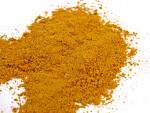
Previous research has suggested that curcumin, which gives turmeric its bright yellow color, has anti-inflammatory and antioxidant properties which may be helpful in fighting disease.

Some studies have indicated it can suppress cancer tumors and that people who eat lots of curry may be less prone to the disease, although curcumin loses its anti-cancer attributes quickly when it is ingested.

The Austrian research team wanted to find out if curcumin could delay the damage caused by progressive inflammatory liver disease, including two conditions called primary sclerosing cholangitis and primary biliary cirrhosis.

Both of these conditions, which can be sparked by genetic faults or autoimmune disease, cause the liver's plumbing system of bile ducts to become inflamed, scarred, and blocked.

This can lead to major tissue damage and irreversible and ultimately fatal liver cirrhosis, they explained.

The team led by Michael Trauner of the Gastroenterology and Hepatology division at the Medical University Graz in Austria analyzed tissue and blood samples from mice with chronic liver inflammation before and after adding curcumin to their diet for four or eight weeks.

They found the curcumin diet significantly reduced bile duct blockage and curbed liver cell damage and scarring by interfering with chemical signaling pathways involved in inflammation.

Although the research was at a very early stage, the scientists said it seemed to show that curcumin targets "several different parts of the inflammatory process" and could offer a "promising treatment in the future."

U.S. researchers said in 2007 they had found curcumin may help stimulate immune system cells in Alzheimer's disease.

29 March 2010

Vitamin D and methicillin-resistant Staphylococcus aureus nasal carriage.


Abstract Studies have found that vitamin D plays an important role in mediating immune function via a number of pathways, including enhancing the release of antimicrobial peptides in the skin. Given these findings, we hypothesize that low serum vitamin D levels may increase the risk of nasal carriage of methicillin-resistant Staphylococcus aureus (MRSA). A secondary data analysis of the National Health and Nutrition Examination Survey 2001-2004 was performed to investigate the association between serum vitamin D levels and MRSA nasal carriage for the non-institutionalized population of the USA. An estimated 2.7 million persons (1.2% of the population) are MRSA nasal carriers.

An estimated 63.3 million persons (28.4% of the population) are vitamin D deficient (serum vitamin D <20 ng/ml). In an adjusted logistic regression analysis controlling for age, race, gender, poverty income ratio, current health status, hospitalization in the past 12 months, and antibiotic use in the past month, individuals with vitamin D deficiency had a statistically significant increased risk of MRSA carriage of 2.04 (95% CI 1.09-3.84). Vitamin D deficiency is associated with an increased risk of MRSA nasal carriage. Further trials may be warranted to determine whether vitamin D supplementation decreases the risk of MRSA colonization.

25 March 2010

High-Fructose Corn Syrup Prompts Considerably More Weight Gain, Researchers Find

ScienceDaily (Mar. 22, 2010) — A Princeton University research team has demonstrated that all sweeteners are not equal when it comes to weight gain: Rats with access to high-fructose corn syrup gained significantly more weight than those with access to table sugar, even when their overall caloric intake was the same.

In addition to causing significant weight gain in lab animals, long-term consumption of high-fructose corn syrup also led to abnormal increases in body fat, especially in the abdomen, and a rise in circulating blood fats called triglycerides. The researchers say the work sheds light on the factors contributing to obesity trends in the United States.

"Some people have claimed that high-fructose corn syrup is no different than other sweeteners when it comes to weight gain and obesity, but our results make it clear that this just isn't true, at least under the conditions of our tests," said psychology professor Bart Hoebel, who specializes in the neuroscience of appetite, weight and sugar addiction. "When rats are drinking high-fructose corn syrup at levels well below those in soda pop, they're becoming obese -- every single one, across the board. Even when rats are fed a high-fat diet, you don't see this; they don't all gain extra weight."

In results published online March 18 by the journal Pharmacology, Biochemistry and Behavior, the researchers from the Department of Psychology and the Princeton Neuroscience Institute reported on two experiments investigating the link between the consumption of high-fructose corn syrup and obesity.

The first study showed that male rats given water sweetened with high-fructose corn syrup in addition to a standard diet of rat chow gained much more weight than male rats that received water sweetened with table sugar, or sucrose, in conjunction with the standard diet. The concentration of sugar in the sucrose solution was the same as is found in some commercial soft drinks, while the high-fructose corn syrup solution was half as concentrated as most sodas.

The second experiment -- the first long-term study of the effects of high-fructose corn syrup consumption on obesity in lab animals -- monitored weight gain, body fat and triglyceride levels in rats with access to high-fructose corn syrup over a period of six months. Compared to animals eating only rat chow, rats on a diet rich in high-fructose corn syrup showed characteristic signs of a dangerous condition known in humans as the metabolic syndrome, including abnormal weight gain, significant increases in circulating triglycerides and augmented fat deposition, especially visceral fat around the belly. Male rats in particular ballooned in size: Animals with access to high-fructose corn syrup gained 48 percent more weight than those eating a normal diet.

"These rats aren't just getting fat; they're demonstrating characteristics of obesity, including substantial increases in abdominal fat and circulating triglycerides," said Princeton graduate student Miriam Bocarsly. "In humans, these same characteristics are known risk factors for high blood pressure, coronary artery disease, cancer and diabetes." In addition to Hoebel and Bocarsly, the research team included Princeton undergraduate Elyse Powell and visiting research associate Nicole Avena, who was affiliated with Rockefeller University during the study and is now on the faculty at the University of Florida. The Princeton researchers note that they do not know yet why high-fructose corn syrup fed to rats in their study generated more triglycerides, and more body fat that resulted in obesity.

High-fructose corn syrup and sucrose are both compounds that contain the simple sugars fructose and glucose, but there at least two clear differences between them. First, sucrose is composed of equal amounts of the two simple sugars -- it is 50 percent fructose and 50 percent glucose -- but the typical high-fructose corn syrup used in this study features a slightly imbalanced ratio, containing 55 percent fructose and 42 percent glucose. Larger sugar molecules called higher saccharides make up the remaining 3 percent of the sweetener. Second, as a result of the manufacturing process for high-fructose corn syrup, the fructose molecules in the sweetener are free and unbound, ready for absorption and utilization. In contrast, every fructose molecule in sucrose that comes from cane sugar or beet sugar is bound to a corresponding glucose molecule and must go through an extra metabolic step before it can be utilized.

This creates a fascinating puzzle. The rats in the Princeton study became obese by drinking high-fructose corn syrup, but not by drinking sucrose. The critical differences in appetite, metabolism and gene expression that underlie this phenomenon are yet to be discovered, but may relate to the fact that excess fructose is being metabolized to produce fat, while glucose is largely being processed for energy or stored as a carbohydrate, called glycogen, in the liver and muscles.

In the 40 years since the introduction of high-fructose corn syrup as a cost-effective sweetener in the American diet, rates of obesity in the U.S. have skyrocketed, according to the Centers for Disease Control and Prevention. In 1970, around 15 percent of the U.S. population met the definition for obesity; today, roughly one-third of the American adults are considered obese, the CDC reported. High-fructose corn syrup is found in a wide range of foods and beverages, including fruit juice, soda, cereal, bread, yogurt, ketchup and mayonnaise. On average, Americans consume 60 pounds of the sweetener per person every year.

"Our findings lend support to the theory that the excessive consumption of high-fructose corn syrup found in many beverages may be an important factor in the obesity epidemic," Avena said.

The new research complements previous work led by Hoebel and Avena demonstrating that sucrose can be addictive, having effects on the brain similar to some drugs of abuse.

In the future, the team intends to explore how the animals respond to the consumption of high-fructose corn syrup in conjunction with a high-fat diet -- the equivalent of a typical fast-food meal containing a hamburger, fries and soda -- and whether excessive high-fructose corn syrup consumption contributes to the diseases associated with obesity. Another step will be to study how fructose affects brain function in the control of appetite.

23 March 2010

Avoidance of four factors = four more years

An article published on March 23, 2010 in the journal PLoS Medicine reveals the conclusions of researchers from the Harvard School of Public Health and the University of Washington that smoking, high blood pressure, elevated blood glucose, and being overweight or obese decrease life expectancy by an average of 4.9 years for U.S. men and by 4.1 years for women.

Harvard School of Public Health associate professor of international health Majid Ezzati and associates evaluated 2005 data from the National Center for Health Statistics, the National Health and Nutrition Examination Survey and the Behavioral Risk Factor Surveillance System, along with a review of epidemiologic studies concerning the effects of these factors. They also estimated the risk factors' effects on 8 eight U.S. subgroups including Asians, Northland low-income rural whites, middle America, Appalachia and Mississippi Valley low-income whites, Western Native Americans, black middle America, high-risk urban blacks and Southern rural blacks.

Dr Ezzati and colleagues estimated the amount of deaths that would not have occurred in 2005 if exposure to the risk factors had been reduced to optimal levels or common guidelines. Elimination of obesity was calculated to increase life expectancy by an average of 1.3 years, normalization of hypertension was estimated to result in an added 1.5 years for men and 1.6 years for women, smoking cessation was correlated with an extra 2.5 years for men and 1.8 years for women, and optimization of blood glucose was estimated to confer an extra 0.5 years on male life expectancy and 0.3 years on that of females. Among those who had all four factors, Southern rural blacks experienced the greatest reduction in life expectancy and Asians had the least reduction. The four factors were determined to account for nearly 20 percent of U.S. life expectancy disparities, 75 percent of cardiovascular mortality disparities, and 50 percent of cancer disparities.

The investigation is the first to examine the consequences of these preventable risk factors on life expectancy across the United States. "This study demonstrates the potential of disease prevention to not only improve health outcomes in the entire nation but also to reduce the enormous disparities in life expectancy that we see in the U.S.," Dr Ezzati commented.

"It's important that public health policy makers understand that these behavioral and metabolic risk factors are not just personal choices or the responsibility of doctors," added lead author and Harvard School of Public Health postdoctoral research fellow Goodarz Danaei. "To improve the nation's overall health and reduce health disparities, both population-based and personal interventions that reduce these preventable risk factors must be identified, implemented, and rigorously evaluated."

ShareThis